In an era where 83% of consumers say protecting their personal data is crucial for earning their trust, brands can no longer treat real-time tracking as a black box. Customers expect to see where their orders are, why delays happen, and how their data is used—clearly and in real time. Artificial intelligence (AI) has become the engine that makes this level of real-time tracking transparency possible across carriers, channels, and post-purchase experiences.
Key Takeaways
| Question | Answer |
|---|---|
| How does AI improve real-time shipment tracking accuracy? | AI ingests live signals from hundreds of carriers, detects patterns, and corrects inconsistent scans, which powers solutions like the real-time shipment tracking platform from WISMOlabs. |
| Can AI make tracking more self-service and reduce WISMO calls? | Yes. Systems such as the self-service order & shipment tracking portal give customers 24/7, AI-powered visibility, reducing “Where is my order?” inquiries. |
| What role does AI play in branded tracking experiences? | AI personalizes messages, recommendations, and layouts on a branded tracking portal, making transparency feel consistent with the brand rather than a generic carrier page. |
| How does AI use real-time tracking data for better engagement? | Engines like the post-purchase marketing & personalization engine turn status changes into timely, contextual messages that clarify what is happening and why. |
| Can AI prove the value of transparent tracking to the business? | Yes. With customer engagement analytics, AI tracks every click and interaction on tracking pages and messages to show which transparency efforts drive retention and repeat orders. |
| How does AI analytics work in real time? | As outlined in real-time AI analytics guides, machine learning pipelines ingest live data, recognize patterns, and trigger actions—turning raw tracking events into instant, understandable updates. |
| What technologies support tamper-proof, transparent tracking data? | Combining blockchain and AI, as discussed in immutable shipping record solutions, creates auditable records while AI adds intelligence for delay prediction and anomaly detection. |
1. AI Turns Fragmented Carrier Data into Clear Real-Time Visibility
Traditional tracking often relies on carrier scans that are late, inconsistent, or hard to interpret. AI improves real-time tracking transparency by continuously ingesting signals from hundreds of carriers and normalizing them into a single, coherent view. Instead of cryptic status codes, AI models infer what is really happening and present it in customer-friendly language.
Solutions such as WISMOlabs’ Real-Time Shipment Tracking platform provide end-to-end visibility across 750+ global carriers. AI reconciles conflicting statuses, fills in gaps between scans, and highlights meaningful changes that customers care about, such as “Out for delivery,” “Held at customs,” or “Address issue detected.”
WISMOlabs Real-Time Shipment Tracking
The Real-Time Shipment Tracking product focuses on reliable, branded visibility during the post-purchase journey. By applying AI to carrier feeds and historical patterns, it gives both operations teams and customers a trustworthy picture of where orders are and what will happen next. This clarity is the foundation of transparent communication and reduced support contacts.
2. Self-Service Tracking Portals Powered by AI Reduce WISMO Calls
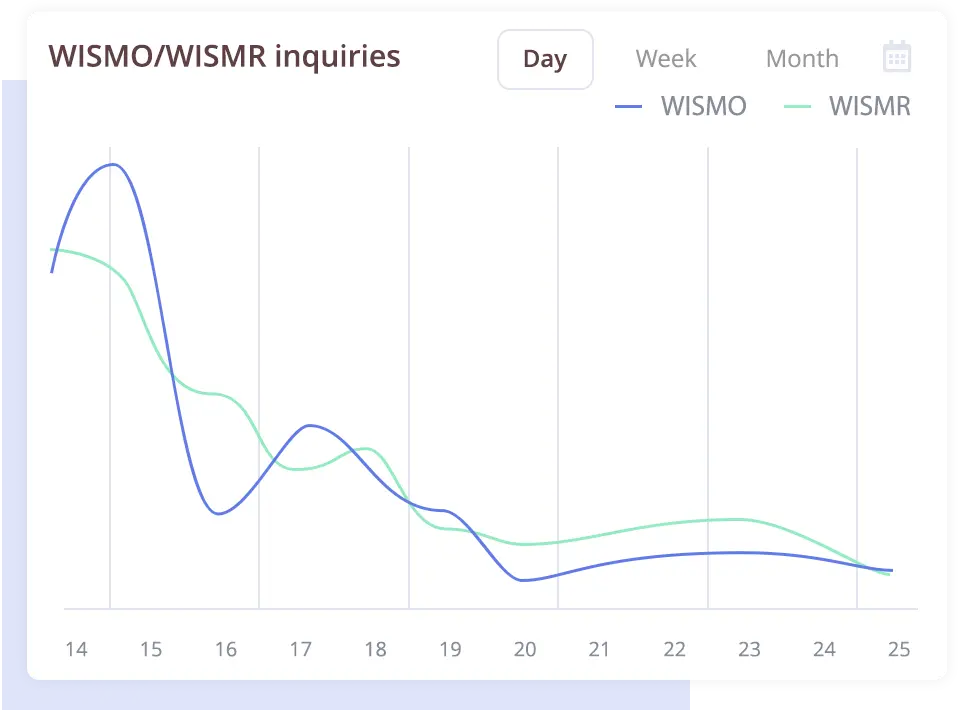
One of the most visible ways AI improves real-time tracking transparency is by powering intuitive, self-service tracking portals. Instead of forcing customers to contact support for basic questions, AI-driven portals display order status, expected delivery windows, and next steps in language anyone can understand. This shifts tracking from reactive support to proactive clarity.
WISMOlabs’ Self-Service Order & Shipment Tracking portal is designed specifically for this purpose. It gives customers 24/7 access to an accurate, branded view of their orders, while AI keeps the information up to date and surfaces the most relevant details—such as delivery estimates and reasons for delays—without manual intervention from support teams.
From “Where Is My Order?” to Clear, Real-Time Answers
By combining AI with historical patterns and carrier behavior, the portal can anticipate when customers are likely to worry and display reassuring, factual updates before they reach out. This reduces WISMO tickets and fosters trust because information is available on demand, not hidden behind support queues or email threads.
3. Branded AI-Driven Tracking Pages Make Transparency Trustworthy
Customers often feel uneasy when redirected to generic carrier pages that look nothing like the store they purchased from. AI improves real-time tracking transparency by enabling branded tracking experiences that align with the retailer’s look, feel, and tone. This consistency reassures customers that their order is still under the brand’s care.
The Branded Tracking Portal from WISMOlabs replaces disjointed carrier views with a cohesive, on-brand interface. AI supports this by dynamically tailoring content—such as banners, messaging, and prompts—based on shipment status, customer behavior, and historical engagement patterns.
Why Branded Transparency Matters
Transparent tracking is not just about exposing raw data; it is also about presenting that data in a way customers recognize and trust. When AI personalizes a branded portal with relevant updates and useful next steps, customers feel informed rather than monitored. That difference is crucial in an environment where privacy and trust determine whether they will continue buying from a brand.
Did You Know?
In the US, cross-app tracking was 72.63% trackable before Apple’s ATT; after ATT, only 17.9% remains trackable, which makes AI-powered, privacy-aware tracking models essential.
4. AI Personalization Engines Explain Tracking Events in Context
Status updates by themselves are often confusing. AI improves real-time tracking transparency by adding context: why a delay is happening, what options customers have, and what they can expect next. This turns a simple “In transit” label into an understandable narrative that respects customers’ time and attention.
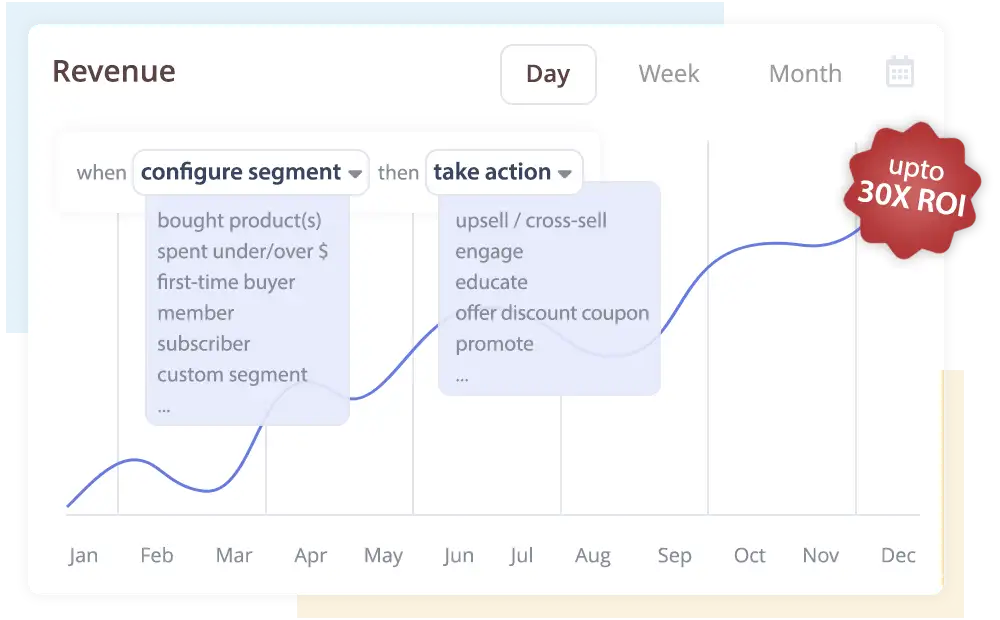
WISMOlabs’ Post-Purchase Marketing & Personalization Engine is built to use these real-time tracking events as triggers for tailored experiences. AI-driven segmentation determines which customers should receive proactive alerts, educational content, or relevant offers based on where their order is in the journey and how they have engaged before.
From Transactional Updates to Helpful Explanations
Instead of treating tracking as a one-way stream of transactional pings, the personalization engine uses AI to craft messages that genuinely clarify the situation. For example, if a route deviation suggests a potential delay, customers might receive a clear explanation, updated delivery window, and practical options such as “Change delivery address” or “Hold at pickup point,” where those features exist. This builds confidence rather than frustration.
5. Real-Time AI Analytics Make Tracking Performance Measurable
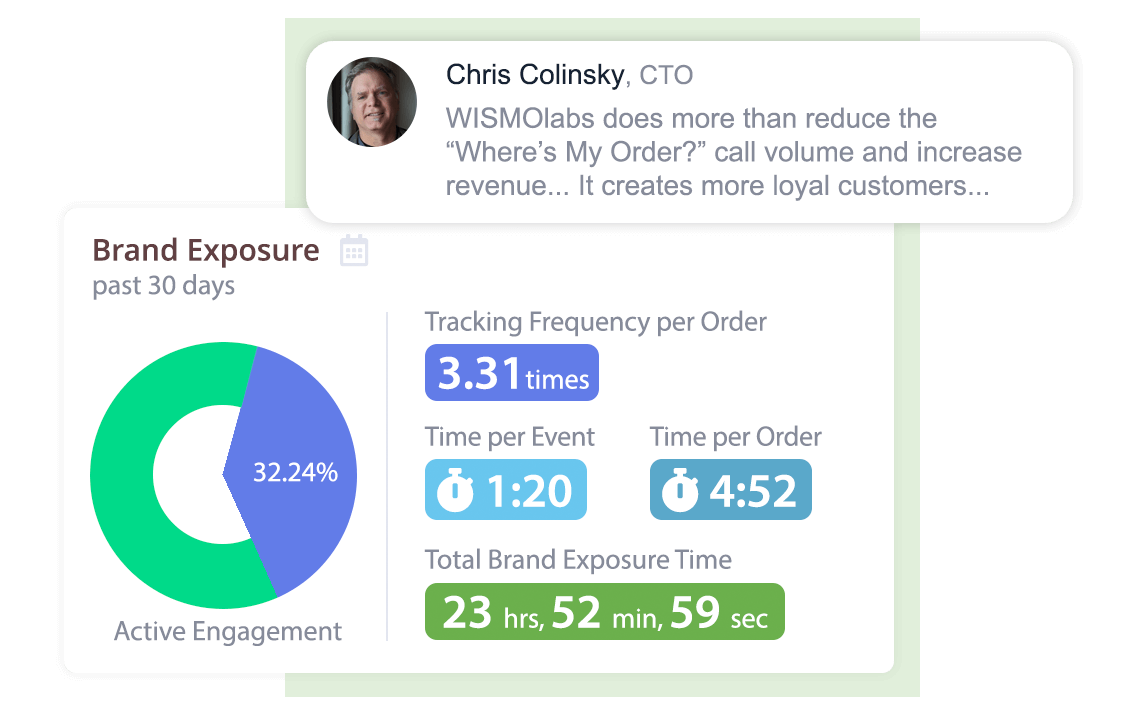
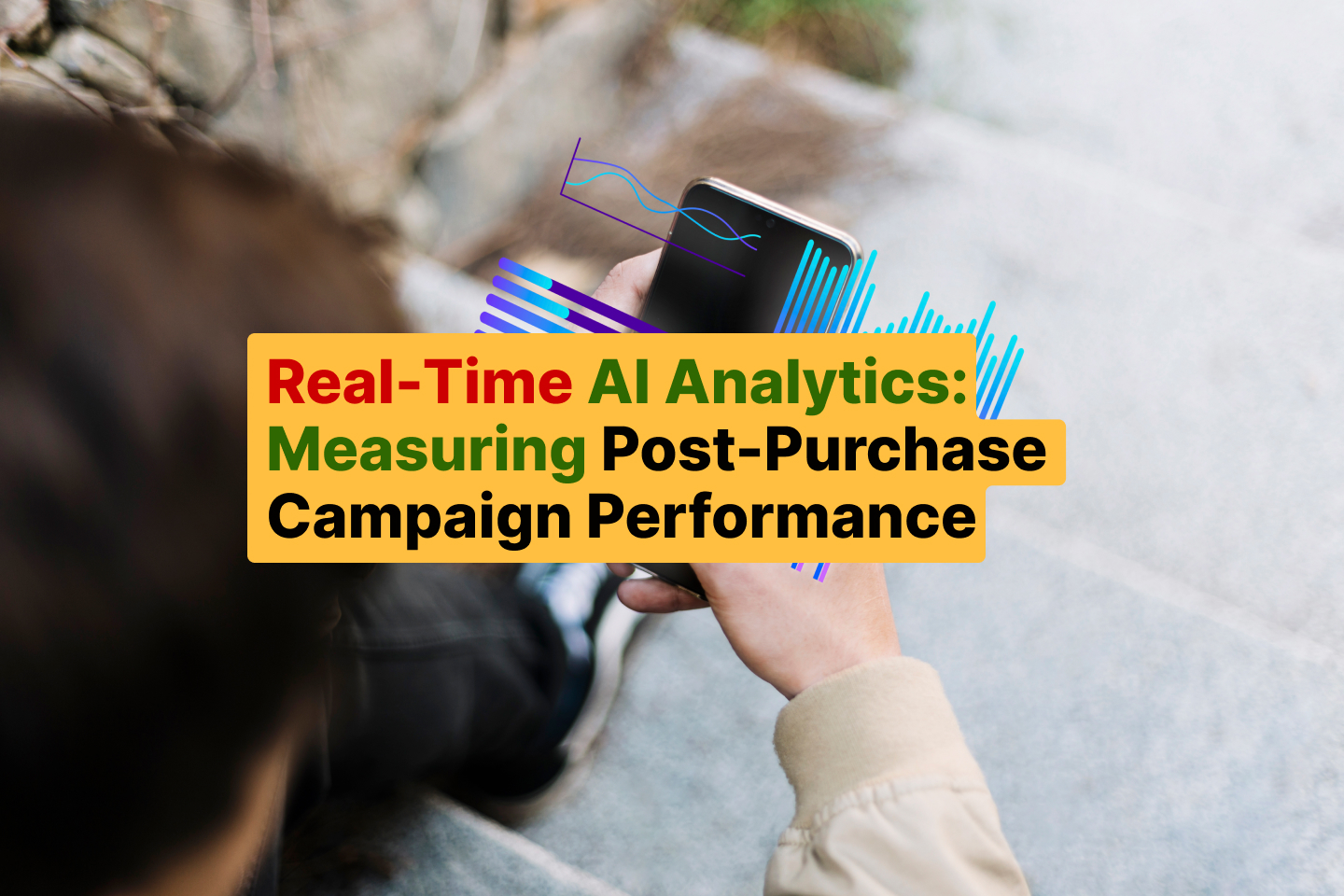
Transparency is not just a customer-facing concept; it also applies to how internal teams understand the impact of their tracking experiences. AI improves real-time tracking transparency by turning raw interaction data into analytics that reveal what is working and what is not. Every click on a tracking page, every notification opened, and every action taken becomes measurable.
In the article on Real-Time AI Analytics, WISMOlabs outlines how machine learning pipelines ingest live data, recognize engagement patterns, and power real-time adjustments. For example, if customers frequently search for specific information that is buried in the interface, analytics highlight this, and teams can adjust copy or layout for clearer visibility.
AI Analytics as the Feedback Loop for Transparency
By using AI analytics to monitor tracking interactions, brands gain a feedback loop: they can see whether customers understand updates, where confusion still exists, and which messages reduce anxiety. This leads to continuous improvement of phrasing, timing, and presentation, rather than static tracking flows that do not adapt to real behavior.
6. Immutable Shipping Records + AI Create Auditable Transparency
Even the most polished tracking interface cannot build trust if the underlying data is vulnerable to tampering. AI improves real-time tracking transparency further when combined with technologies like blockchain, which provide immutable records of each shipment event. This combination delivers both clarity and verifiability.
In the blog on Blockchain + AI for Immutable Shipping Records, WISMOlabs describes how each handoff and status change can be recorded on a tamper-proof ledger. AI then processes this ledger to detect anomalies, flag suspicious patterns, and predict delays, all while giving stakeholders a trail they can audit at any time.
Why Immutable Data Matters for Transparency
For shippers, carriers, and customers, immutable records reduce disputes about what happened and when. When AI operates on trusted data, it can surface accurate insights and explanations. This is especially valuable in high-value or regulated shipments, where clear, verifiable tracking histories support compliance and protect brand reputation.
7. AI-Triggered Notifications Keep Customers Informed in Real Time
Transparency is most effective when customers do not have to search for it. AI improves real-time tracking transparency by sending the right notification at the right time on the right channel. Instead of generic “Your order shipped” emails, customers receive updates that reflect the latest status and its implications for them.
Real-time tracking events can trigger AI-driven workflows for email, SMS, or in-app messages. For example, if a predicted delay crosses a certain threshold, AI can notify the customer with a new estimated arrival date and a concise explanation. This keeps expectations aligned and reduces surprise or frustration at the door.
From Static Alerts to Intelligent, Contextual Updates
In the WISMOlabs guide on Real-Time Tracking Meets Marketing Automation, AI-driven triggers are used not only for marketing but also for service-focused notifications. The key is clarity: messages focus on concrete, useful information about location, timing, and options, rather than vague references to “processing” or “in transit.”