In modern logistics, the difference between a satisfied customer and a lost one often comes down to a few hours—or even minutes—on a delivery. AI route optimization can reduce delivery times by up to 30%, which raises a critical question for operations leaders: should you still rely on traditional rules-based routing, or is it time to move to AI-driven routing engines? This article breaks down how each approach works, where they excel, and which one typically delivers better delivery times in real-world ecommerce and parcel operations.
Key Takeaways
| Question | Short Answer |
|---|---|
| What is the core difference between AI routing and rules-based routing? | Rules-based routing follows static if/then logic, while AI routing continuously learns from data such as carrier performance, delays, and customer behavior to choose the best route dynamically. |
| Which is usually faster for deliveries? | In most dynamic networks, AI routing delivers faster and more reliable delivery times because it reacts to real-world conditions and predictive signals rather than fixed rules. |
| How does AI routing connect with shipment tracking? | Solutions like WISMOlabs Real-Time Shipment Tracking use live carrier and event data that AI models can learn from to optimize future routing decisions. |
| Can AI predict and mitigate delivery delays better than rules? | Yes. Platforms such as Predict Delivery Delays use predictive intelligence to detect risk patterns long before a static rule would trigger. |
| How do I know if my carriers are a bottleneck? | Carrier analytics tools like Carrier Performance & Logistics Analytics reveal which carriers, lanes, and service levels consistently slow your delivery times. |
| Does routing impact customer communication and WISMO calls? | Yes. When routing is slow or unpredictable, WISMO (“Where Is My Order?”) calls rise. AI-driven communication tools like Intelligent Shipment Notifications use events and predictions to keep customers updated and reduce inbound contacts. |
| What is the best starting point to bridge routing, tracking, and customer experience? | Solutions that bridge the post‑purchase gap combine routing-aware tracking, notifications, and analytics so you can improve delivery speed and perceived reliability at the same time. |
Understanding AI vs Rules-Based Routing in Delivery Operations
Before comparing which delivers better times, it helps to define the two approaches clearly. Rules-based routing relies on predetermined logic such as “ship orders under 2kg with Carrier A” or “use express only for ZIP codes in zone 2.” This logic is simple, transparent, and easy to configure—yet often blind to real-world variability.
AI routing, by contrast, uses machine learning models to consider hundreds of data points at once: historical lane performance, real-time carrier events, congestion patterns, weather, cut-off times, and even the likelihood of a WISMO inquiry. It does not replace your business constraints; it learns how to respect them while still pursuing the fastest, most reliable option in each situation.
How Rules-Based Routing Works—and Where It Slows You Down
Rules-based routing has been the default for many ecommerce and retail operations because it is predictable. Operations teams define rules based on weight, destination, order value, or promised service level, and the system routes shipments accordingly. This predictability is helpful when carrier networks are stable and customer expectations are low.
However, delivery networks today are rarely stable. Carrier performance can shift weekly; certain ZIP codes become problematic; and peak seasons shift bottlenecks overnight. When your routing engine only knows what you hard-code into it, it cannot adapt when your “preferred carrier” starts missing delivery windows on a given lane for weeks at a time.
Why AI Routing Typically Wins on Delivery Times
AI routing engines are built to handle the complexity that rules struggle with. Instead of depending on a single rule like “Carrier X is fast,” AI learns from granular delivery-time patterns across carriers, service levels, regions, and even days of the week. It sees that Carrier X may be fast on urban routes but consistently slow in specific rural ZIP codes, and it routes accordingly.
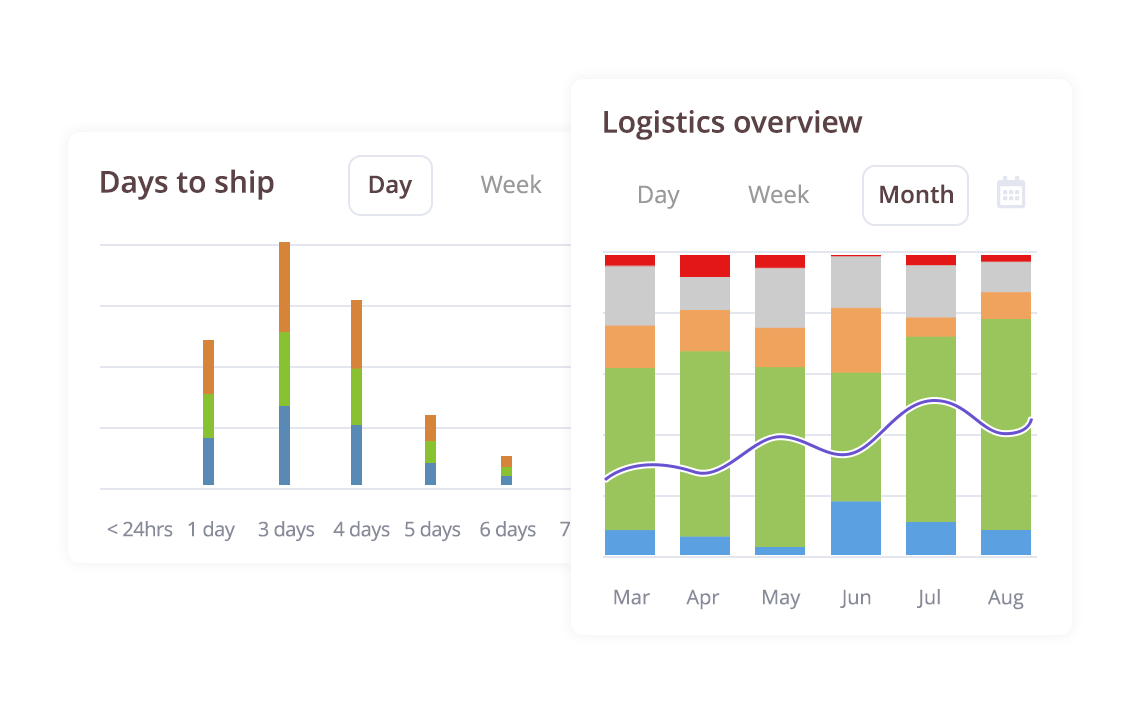
Platforms that feed AI with rich carrier data—similar to what you see in Carrier Performance & Logistics Analytics—allow models to factor in actual performance rather than assumptions. Over time, the model prioritizes the carrier and route combination that not only looks good on paper but has demonstrated on-time performance in the real world.
The Data Backbone: Carrier Analytics and Performance Monitoring
Both routing approaches depend on data, but AI routing is only as strong as the quality and granularity of its input. Tools such as Carrier Performance & Logistics Analytics provide the necessary visibility into fulfillment cycles, transit times, and on-time delivery by carrier, lane, and service level. Without this, even advanced algorithms are effectively guessing.
Rules-based systems can also benefit from the same analytics by informing periodic rule updates—e.g., changing a preferred carrier for consistently late lanes. The difference is cadence: AI can reinterpret this data continuously, while rules typically change in scheduled reviews or after repeated customer complaints, which delays corrective action.
Predictive Intelligence: Anticipating Delays Before They Happen
One of the biggest limitations of rules-based routing is that it usually reacts after the fact. A rule might fire when a package has already missed a scan for 24 hours, or when a customer opens a support ticket. By then, the delay has already hurt your delivery promise and your brand perception.
AI-powered predictive intelligence works differently. Solutions like Turn Delivery Data into Predictive Intelligence analyze sequences of scan events, route histories, and carrier behavior to detect anomalies early. The system might flag that a particular shipment is highly likely to be delayed based on subtle patterns, even when it is technically still “in transit” with no reported exception.

Customer Communication: AI Routing’s Hidden Advantage
Faster routing is only part of the delivery experience. How you communicate about those deliveries strongly shapes customer perception. Even when a shipment is delayed, transparent, proactive messaging can keep satisfaction high and prevent WISMO calls from exploding.
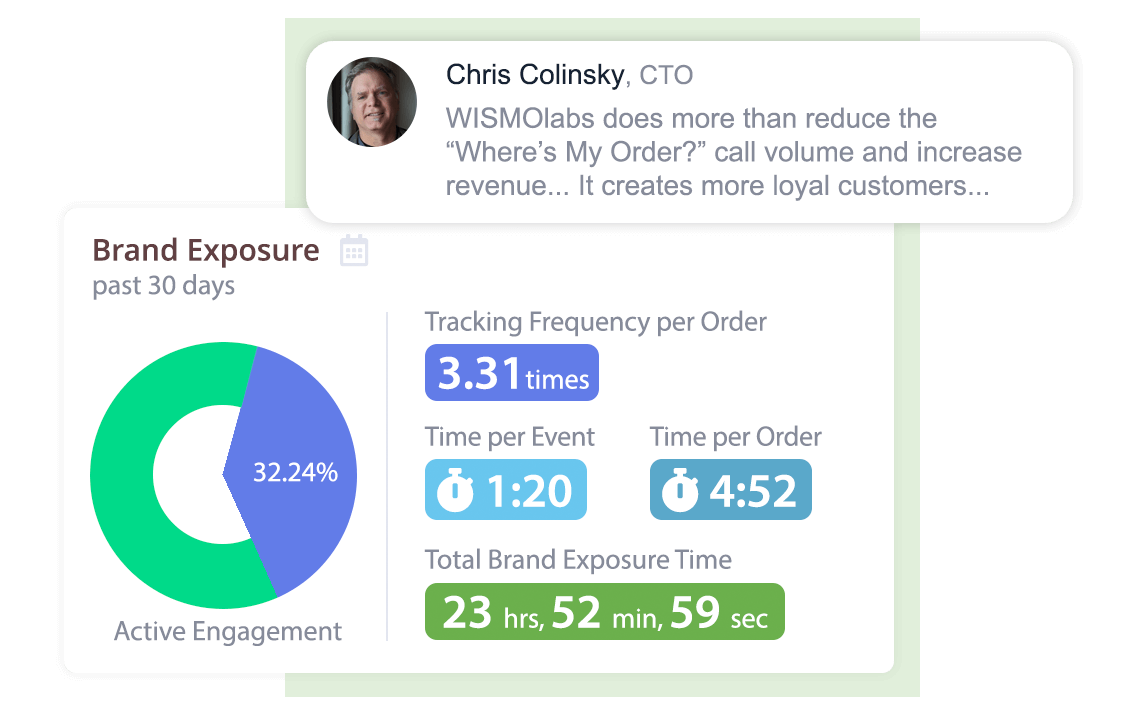
Rules-based systems often send generic notifications on fixed events—label created, shipped, out for delivery, delivered. AI-enabled communication platforms such as Intelligent Shipment Notifications and AI-driven post-purchase communication explored in Optimize Communication Channels with AI Solutions can adjust message timing, channel, and content based on predicted delivery performance, customer behavior, and risk of delay.
Real-Time Shipment Tracking as a Foundation for AI Routing
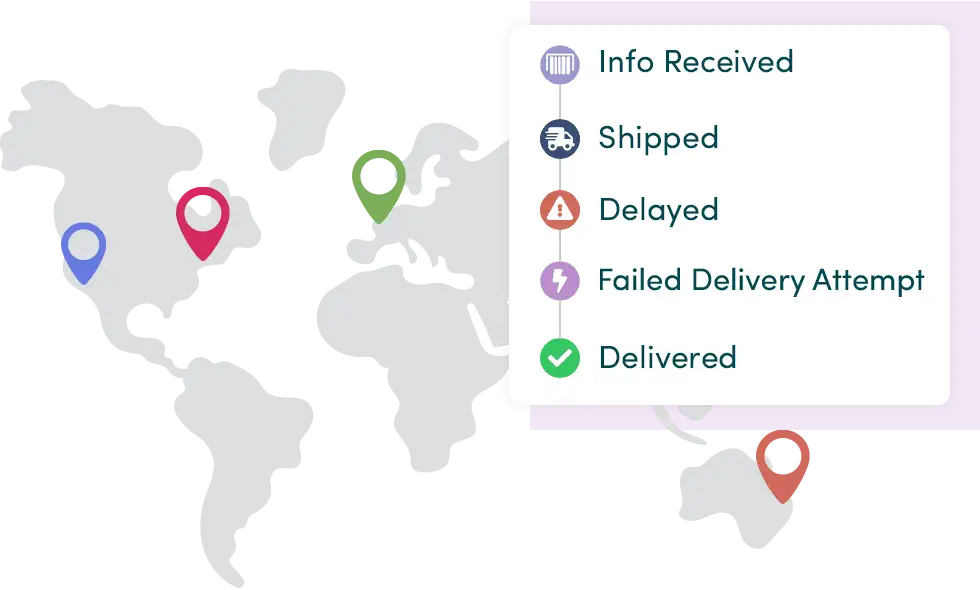
To decide intelligently, AI needs a complete, real-time picture of what is happening across your delivery network. Real-Time Shipment Tracking platforms like WISMOlabs Shipment Tracking bring together data from hundreds of global carriers, standardize it, and expose it through tracking portals and APIs.
This unified visibility reduces WISMO calls on its own, but it also feeds AI routing models with the event streams they need to learn what actually drives faster deliveries. When your tracking system can see every scan event and exception across carriers, your routing engine can move from theory to evidence-based decisions and improve over time.
AI Routing, WISMO Reduction, and Post‑Purchase Experience
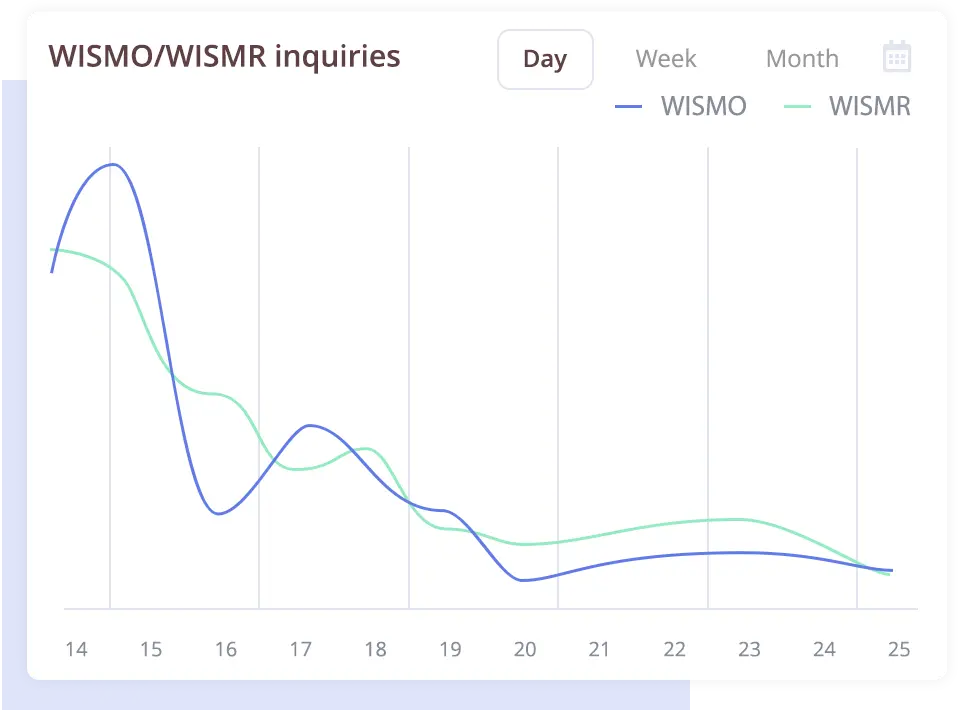
Late or uncertain deliveries directly increase WISMO (“Where Is My Order?”) contacts. Even if your routing rules are technically sound, they do not account for emerging issues quickly enough, leading to repeated surprises for customers and your support team. AI routing reduces these surprises by shifting volume away from carriers, routes, or times that are statistically likely to be problematic.
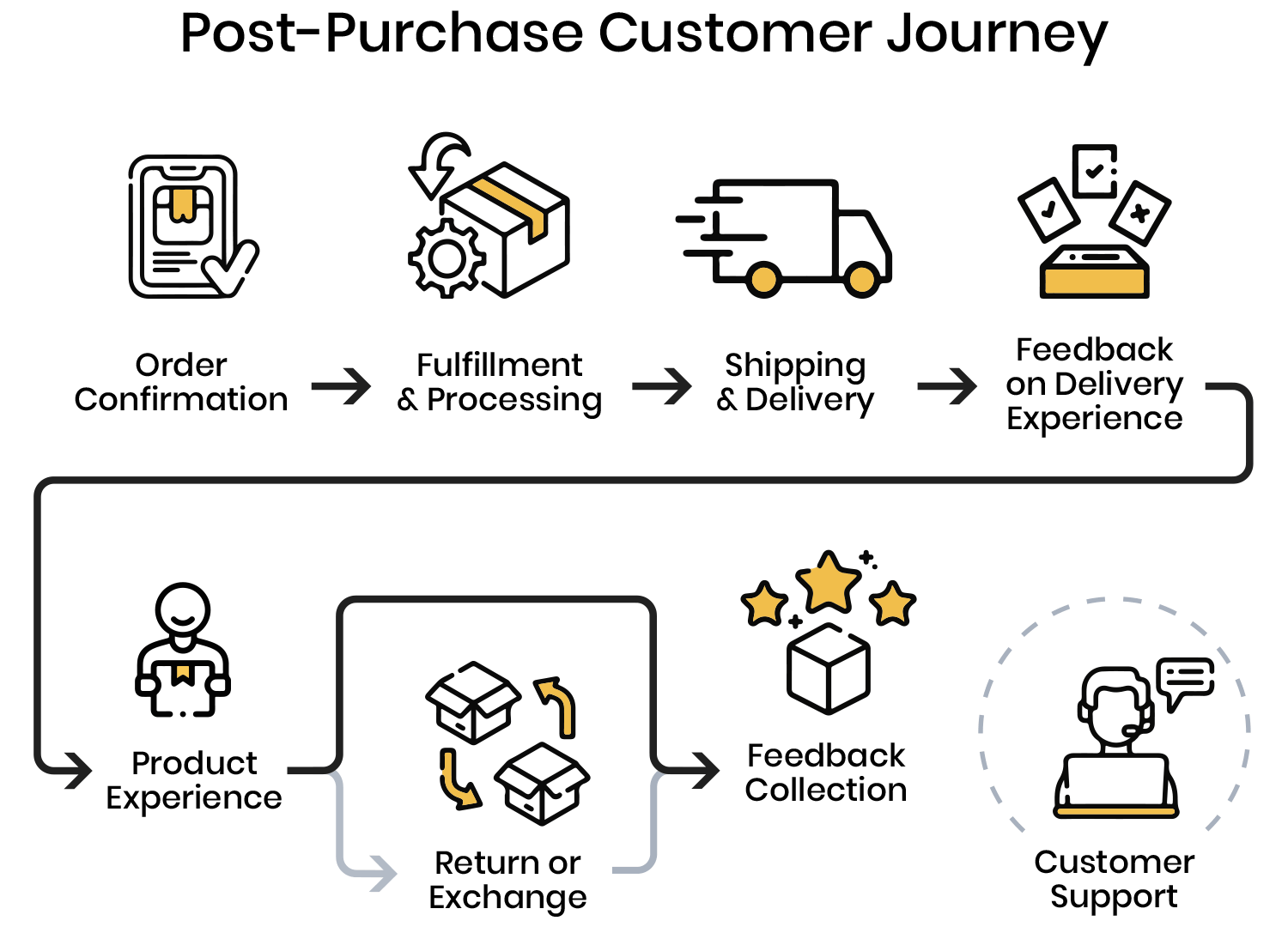
When paired with self-service tools like Self‑Service Order & Shipment Tracking and branded portals, customers can see realistic, AI-enhanced delivery estimates and proactive status updates without contacting support. This combination shortens perceived delivery times: customers feel more in control and less anxious, even when transit times are unchanged.
Integrating AI Routing with Ecommerce Platforms (WooCommerce Example)
For many merchants, the practical question is not “Is AI better?” but “How do I actually connect AI routing to my ecommerce stack?” WooCommerce stores, for example, often start with simple shipping rules and carrier plugins. Over time, as order volumes grow and delivery promises tighten, those basic rules reach their limits.
Integrations like WISMOlabs for WooCommerce connect your store to advanced tracking, analytics, and communication capabilities. While the integration itself focuses on post-purchase data and visibility, that same data can power AI routing decisions in your broader logistics stack—enabling you to shift from static rules to performance-informed routing without replacing your ecommerce platform.
AI vs Rules-Based Routing: Pros, Cons, and Best Use Cases
Both routing approaches have a place in modern logistics. The right choice depends on your scale, network complexity, and tolerance for variability. For small operations with a few carriers and predictable lanes, rules-based routing can remain effective and easier to manage.
As networks grow more complex—with multiple carriers, cross-border shipments, and ambitious delivery promises—AI routing becomes increasingly valuable. It handles nuance that would be impossible to encode in simple rules and adapts faster than human-maintained logic, which directly supports better delivery times and more consistent experiences.
| Approach | Strengths | Limitations for Delivery Times | Best For |
|---|---|---|---|
| Rules-Based Routing | Simple to configure; transparent logic; good for stable, low-variability scenarios. | Slow to react to carrier and lane changes; relies on manual updates; blind to subtle performance trends. | Smaller networks, limited carrier options, basic service promises. |
| AI Routing | Adapts to real-world data; identifies best carrier per lane and time; supports predictive decisions. | Requires data infrastructure and model governance; change management for teams used to rules. | Growing or complex networks, multi-carrier environments, aggressive delivery promises. |
Practical Steps to Move from Rules to AI-Driven Routing
Shifting from rules-based to AI-driven routing does not have to be abrupt. Many organizations start by keeping their existing rules engine in place while layering analytics and predictive capabilities on top. For example, they might keep current routing rules but use delay prediction to trigger proactive communication and exception handling.
Next, teams can use customer engagement analytics and carrier performance insights to simulate AI-driven routing decisions in parallel with existing rules. Once they build trust in the model’s recommendations—seeing where it would have chosen better carriers or routes—they gradually hand certain lanes, regions, or order types over to AI-based decisioning.
Conclusion
When the question is “AI vs rules-based routing: which delivers better delivery times?”, the answer is clear in most modern logistics environments. Rules-based routing offers simplicity and transparency, but it cannot keep up with the pace of change in carrier performance, customer expectations, and network variability. AI routing, supported by real-time tracking, predictive intelligence, and carrier analytics, consistently outperforms static rules on both speed and reliability.
The most effective strategy is not to abandon rules overnight, but to treat them as guardrails while you progressively introduce AI-driven decisions informed by platforms like real-time shipment tracking, delay prediction, and carrier performance analytics. Over time, your routing engine becomes less about hard-coded assumptions and more about proven delivery outcomes.
Organizations that make this shift not only see shorter delivery times but also fewer WISMO calls, higher customer trust, and a more resilient post-purchase experience. In an environment where every day—and often every hour—matters, AI-enabled routing is no longer experimental; it is quickly becoming the standard for competitive delivery performance.