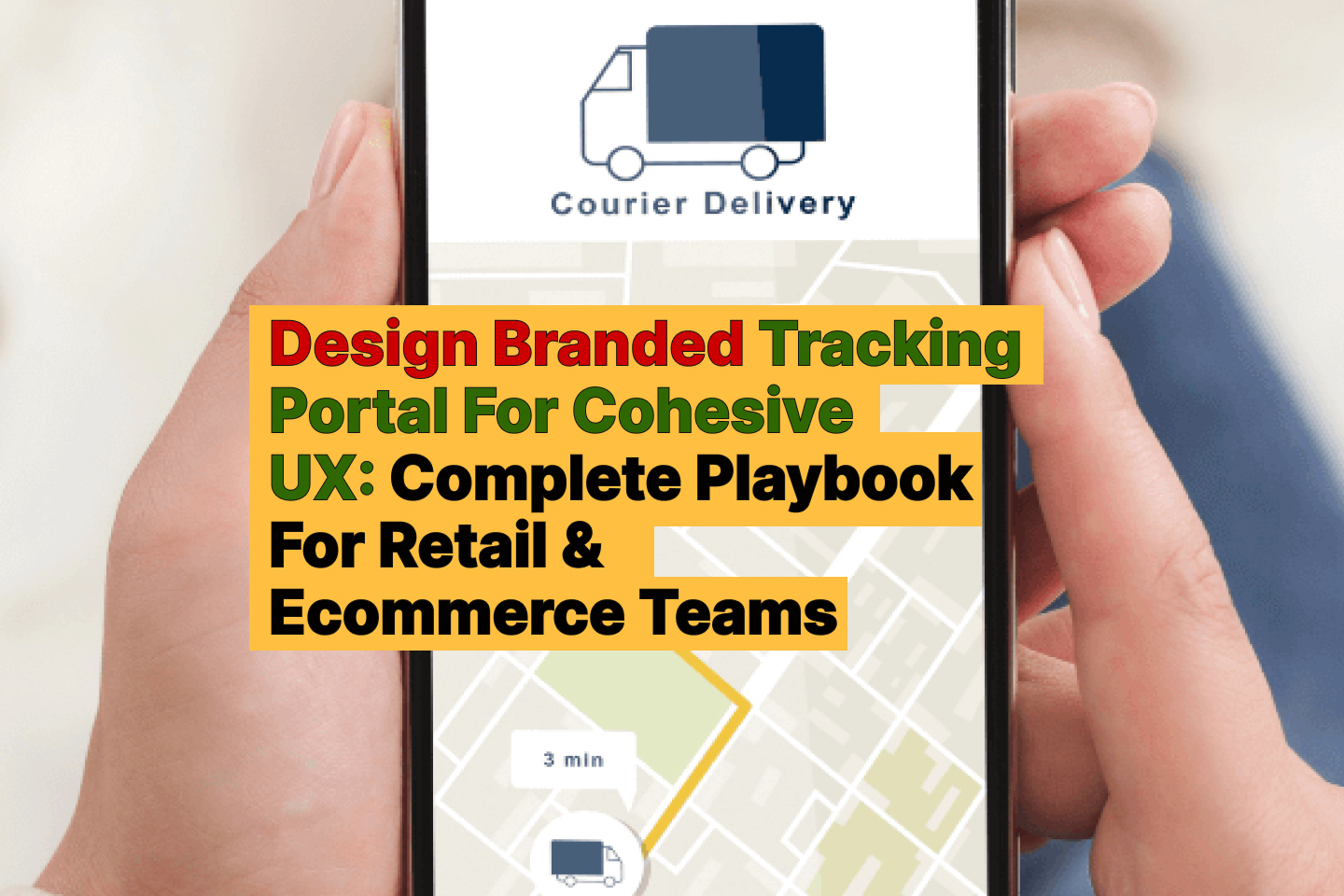
88% of users will not return to a site with poor UX, which means a fragmented or generic carrier tracking experience can quietly erode trust, loyalty, and repeat revenue at scale. A well designed branded tracking portal turns those high intent “Where is my order?” visits into consistent, positive touchpoints that feel seamless with the rest of your brand.
Key Takeaways
| Question | Answer |
|---|---|
| What is a branded tracking portal? | A branded tracking portal is an on domain, fully branded experience where customers track orders, receive updates, and engage with your brand instead of going to carrier pages. |
| Why does cohesive UX matter for tracking? | Cohesive UX keeps visuals, messaging, and behavior consistent from checkout through delivery, which reduces confusion, support contacts, and drop off during the post purchase journey. |
| How can we reduce WISMO tickets? | Use self service order and shipment tracking so customers can instantly see real time status, ETA, and issues without contacting support. |
| How do we ensure reliable data in the portal? | Connect to a real time shipment tracking layer that aggregates 750 plus global carriers into a single, consistent feed for your front end. |
| Can we personalize the tracking experience? | Yes, use a personalization and engagement engine to tailor banners, offers, and messages based on order, customer, and experience data. |
| How do we proactively manage delays? | Layer in predictive delay detection and clear messaging so customers see honest ETAs and updates inside the same branded portal. |
| How do we measure portal performance? | Use customer engagement analytics to monitor views, clicks, message performance, and repeat purchase behavior coming from the portal. |
1. Why A Branded Tracking Portal Is Now Core To Customer Experience
Tracking is one of the most visited parts of the entire customer journey, yet many brands still hand this moment off to generic carrier pages. For cohesive UX, we need to treat the tracking portal as a primary digital property, not an afterthought.
A branded tracking portal keeps customers on your domain, inside your design system, and within your communication rules. It turns routine status checks into chances to reassure, inform, and softly re engage customers with relevant content.
Only 22% of dashboards are ADA compliant, which shows how often critical experiences overlook accessibility and inclusive design. A cohesive tracking experience must work for every customer, on every device, regardless of ability or context.
At WISMOlabs, we see the tracking portal as the connective tissue between checkout, shipping, customer service, and retention. When it is branded, consistent, and informative, it becomes a reliability signal that builds trust with each shipment.
2. Core Principles Of A Cohesive Branded Tracking UX
Designing a branded tracking portal for cohesive UX starts with clear principles that guide every layout, interaction, and message. We focus on consistency, clarity, predictability, and trustworthiness across the full post purchase journey.
A cohesive portal keeps the same typography, colors, spacing, and tone customers saw on the product page and in checkout. It also aligns status language, icons, and microcopy across emails, SMS, and the portal so nothing feels disjointed.
To design for cohesion, we typically anchor on these fundamentals:
- Visual continuity between storefront, account area, and tracking portal
- Single source of truth for status, ETA, and delivery issues
- Predictable layouts that keep key information in the same positions across devices
- Inclusive design with readable contrast, scalable type, and keyboard friendly flows
- Low friction actions like “Contact support”, “Report an issue”, or “Start a return” one click away
When these principles are embedded in the design system, the tracking portal feels like a natural extension of your brand. Customers do not need to re orient themselves each time they check an order or use a different device.
3. Translating Brand Identity Into The Tracking Portal Interface
A cohesive UX only works if the tracking portal visually and tonally matches your brand identity. We start with your core brand assets and convert them into practical interface decisions.
That includes applying your primary and secondary colors, logo usage rules, typography scale, and button styles across all portal components. We also align voice and tone in status messages, alerts, and explanations so they sound like every other branded communication.
For many brands, the tracking portal is the first serious test of their design system beyond marketing pages. We often help teams extend their system with components like timeline widgets, carrier badges, ETA badges, and shipment cards that feel native to the brand.
To keep everything cohesive, we document these decisions in a UI kit that product, design, and engineering teams can reuse. This helps future enhancements to the portal remain consistent without constant redesign.
This infographic visualizes the four pillars of a branded tracking portal UX to guide cohesive design decisions.
4. Information Architecture: Structuring The Portal For Clarity
Cohesive UX depends on information being exactly where customers expect it. In a branded tracking portal, information architecture is the backbone that keeps every shipment easy to understand at a glance.
We typically group information into a simple, predictable layout:
- Top section with status headline, ETA, and primary call to action
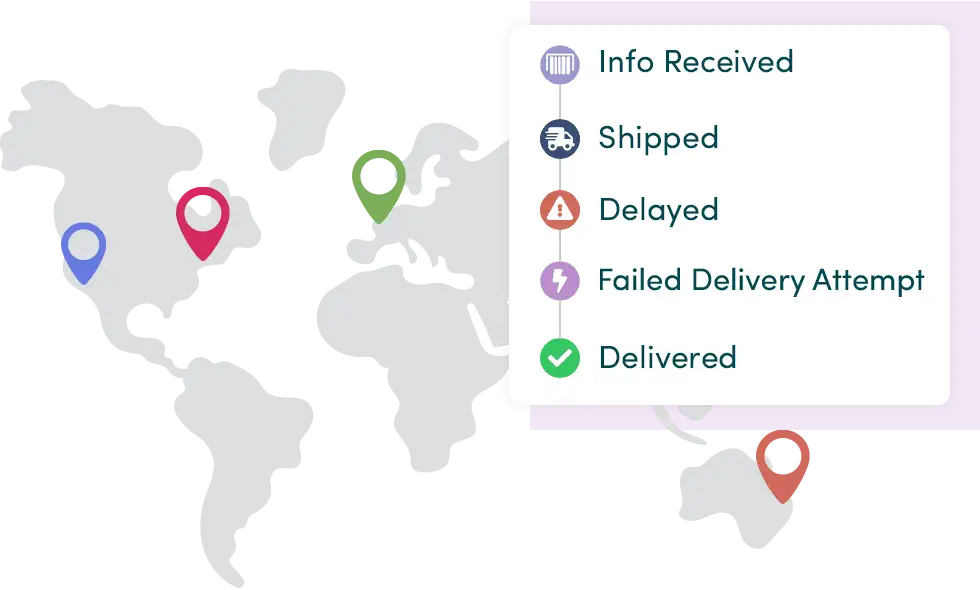
- Timeline section showing shipment progress events in plain language
- Details section with address, items, carrier, and tracking number
- Support and actions like “Report an issue” or “Start a return”
- Engagement section with personalized content or offers
Customers should never dig or click multiple tabs just to find a delivery date or status. When the portal is structured well, it shortens decision time and reduces the urge to contact support.
We also design for repeat visitors who check the same order several times. By keeping the structure stable and predictable, they quickly scan for what changed since the last visit.
5. Self-Service Tracking: Reducing WISMO While Keeping UX On Brand
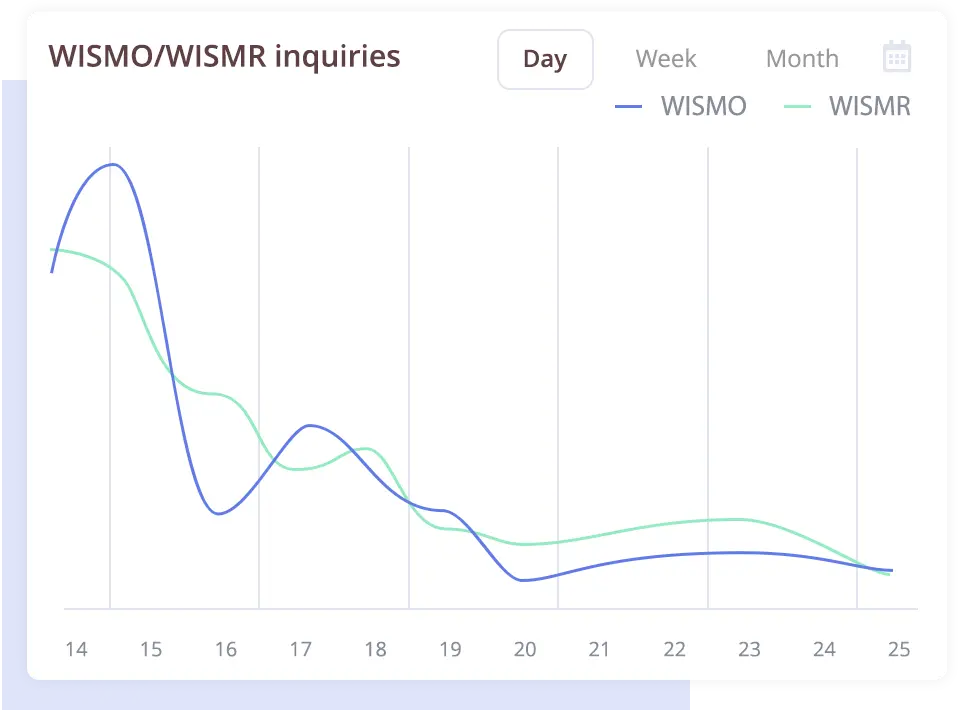
A branded tracking portal should empower customers to answer “Where is my order?” instantly without leaving your site. Self service is the fastest way to reduce WISMO tickets while giving customers confidence in your logistics.
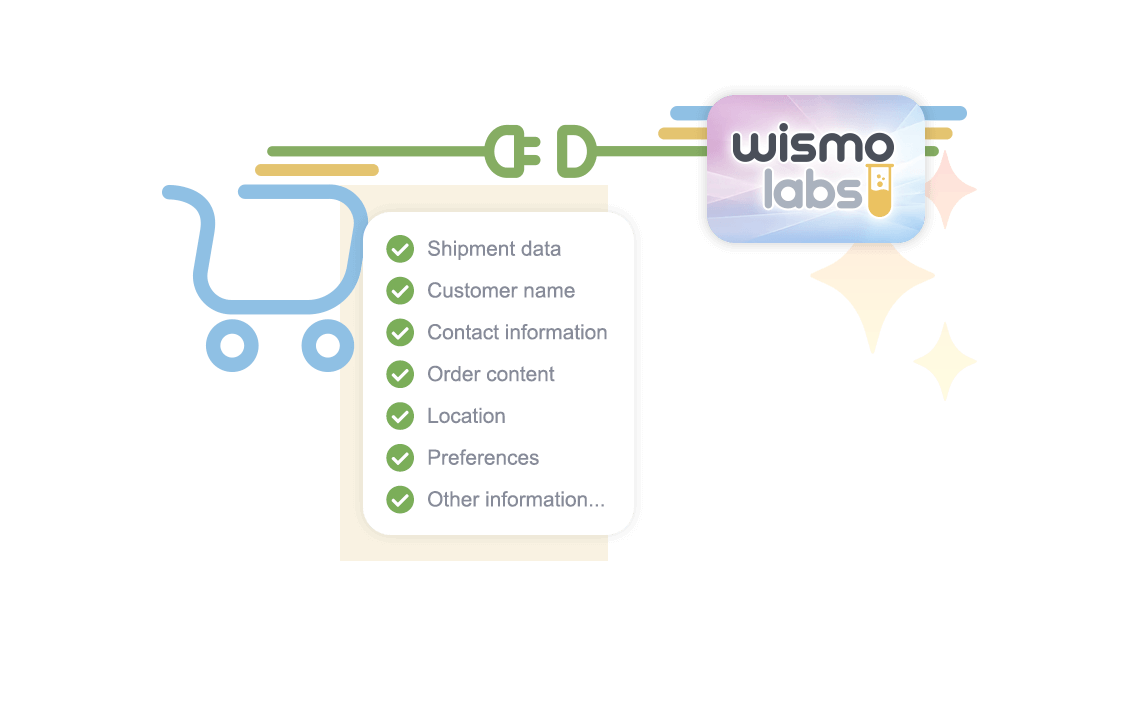
With Self-Service Order & Shipment Tracking from WISMOlabs, customers only need an email and order number. They see an on brand portal that works across carriers, regions, and shipping methods with consistent design and behavior.
To keep UX cohesive, we align lookup flows, error states, and empty states with your brand voice and visual system. This includes clear instructions, helpful validations, and accessible forms that perform well on mobile.
We also connect self service flows to your policy pages and FAQs so the experience is informative, not just functional. When customers understand the “why” behind statuses and timelines, they are less likely to escalate to support.
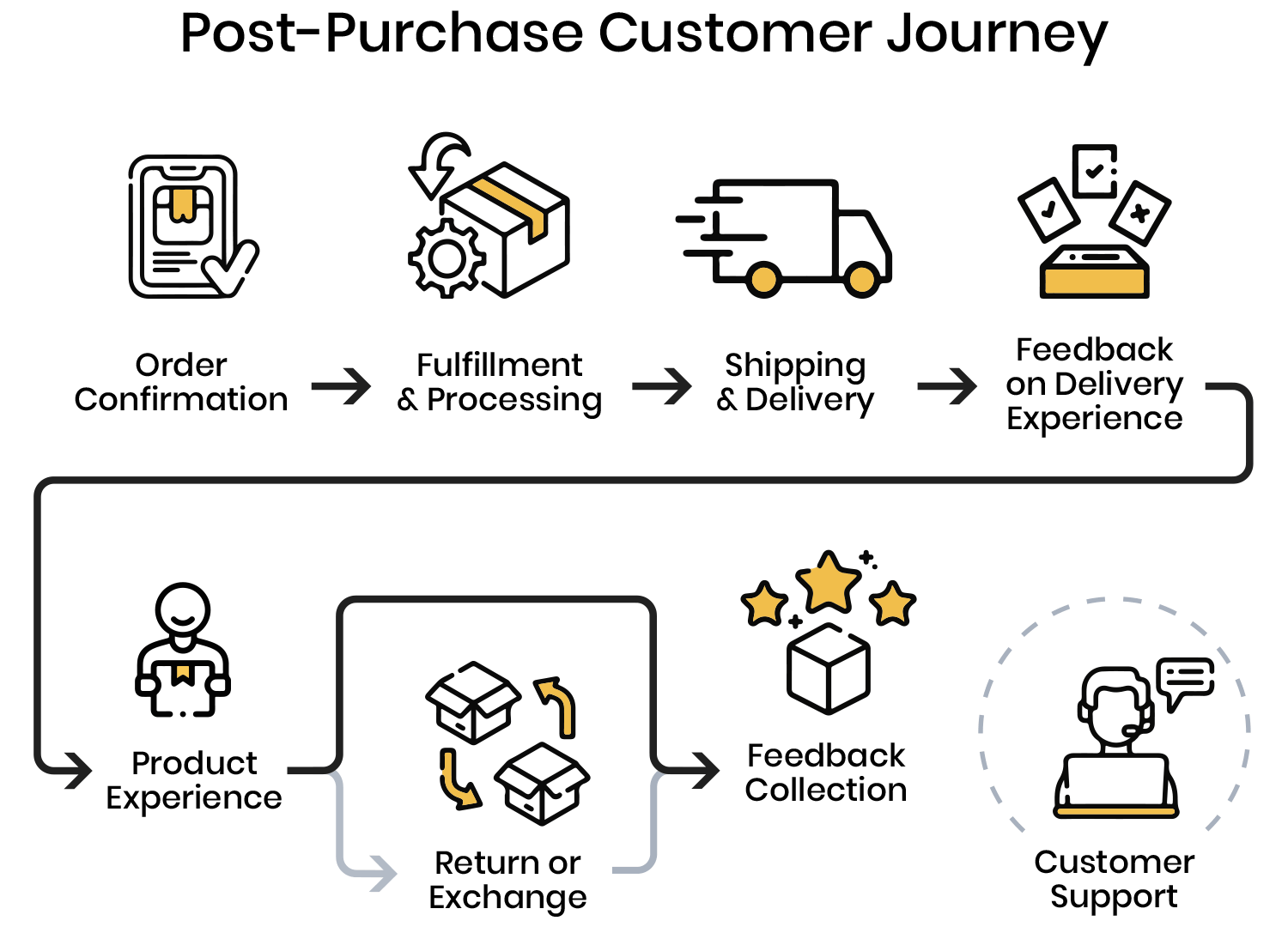
6. Real-Time Shipment Data: Building Trust With Accurate, Unified Status
Beautiful UX does not matter if the data behind it is inaccurate or inconsistent. A cohesive branded tracking portal needs a reliable, carrier agnostic data layer.
With WISMOlabs Real-time Shipment Tracking, we aggregate updates across 750 plus global carriers into a unified model. This lets us present consistent statuses, ETAs, and exception messages regardless of how each carrier labels its events.
From a UX perspective, this means your tracking portal always shows a single, authoritative view of each shipment. Customers avoid the confusion of mismatched information between your site, email notifications, and carrier pages.
We also normalize language so statuses like “Out for Delivery”, “Arrived at Facility”, or “Held at Customs” use plain English. This reduces cognitive load and helps customers quickly understand what is happening.
7. Intelligent Notifications That Match The Portal Experience
Cohesive UX does not stop at the portal itself, it extends into every notification that links back to it. Email, SMS, and push messages should visually and verbally match what customers see when they tap through.
With Intelligent Shipment Notifications from WISMOlabs, brands send event driven updates across channels. Each message carries consistent branding, clear status language, and deep links straight into the correct view in the tracking portal.
We design notification templates that reuse the same color palette, typography, and iconography as your portal. This repetition reinforces your identity and helps customers instantly recognize legitimate communications from your brand.
We also align timing and frequency rules with your CX strategy. Too few updates create anxiety, while too many can feel noisy, so the right cadence is critical for a smooth, cohesive experience.
8. Personalization & Merchandising Inside The Tracking Portal
Designing a branded tracking portal for cohesive UX also means using the space wisely. Customers visit with strong intent, so the content around status should be relevant, not distracting.
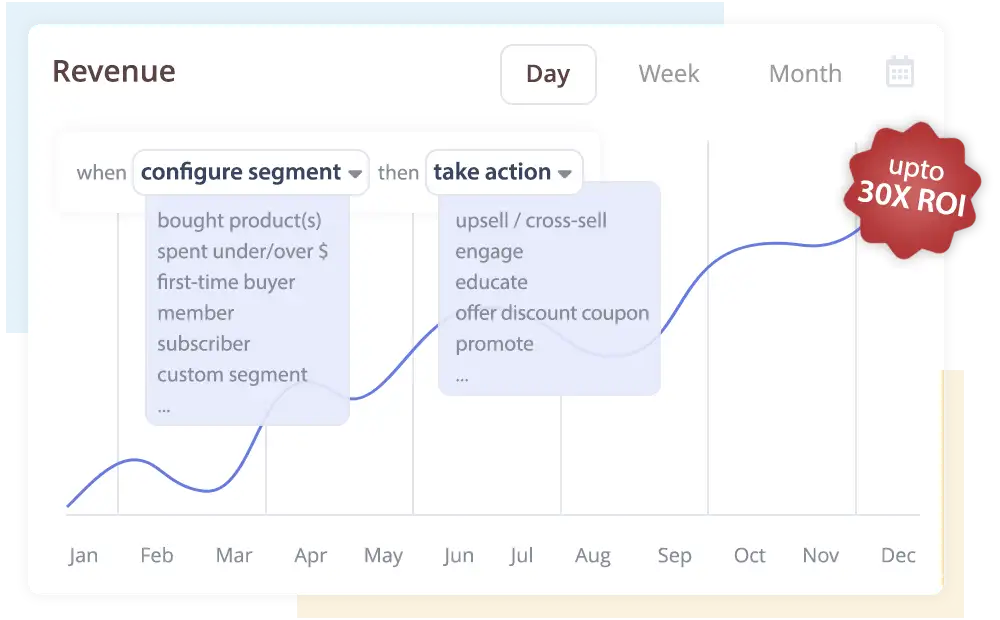
With the WISMOlabs Personalization, Engagement and Marketing Engine, you can tailor banners, recommendations, and messages inside the portal. This includes segment specific content for first time buyers, VIPs, subscription customers, and more.
We design these placements to respect hierarchy so order status always comes first. Content slots sit in predictable, scannable locations that never interfere with core tracking information.
The key is authenticity and alignment with the customer’s context. For example, post delivery you might show a prompt for reviews or a cross sell, while pre delivery you might provide care tips or how to guides.

9. Handling Exceptions, Delays, And Returns Without Breaking UX
The real test of a cohesive branded tracking portal is what happens when things do not go as planned. Delays, lost packages, and returns must still feel like part of a thoughtful, reliable experience.
With Predict Delivery Delays, we help brands identify at risk shipments and surface proactive messaging in the portal. Instead of vague statuses, customers see honest explanations and next steps in the same branded interface.
For returns, our ecommerce returns solution keeps UX consistent by offering self service returns flows that visually connect to the tracking experience. Customers can move from “Delivered” to “Start a return” without jumping to a disconnected third party site.
We design exception states with extra care, using calm language, clear options, and quick paths to human support when needed. Handled well, these moments often increase loyalty rather than damage it.
10. Measuring Cohesive UX With Engagement Analytics
You cannot manage what you do not measure, and the same applies to a branded tracking portal. Cohesive UX should be visible in engagement patterns, support volume, and repeat purchase behavior.
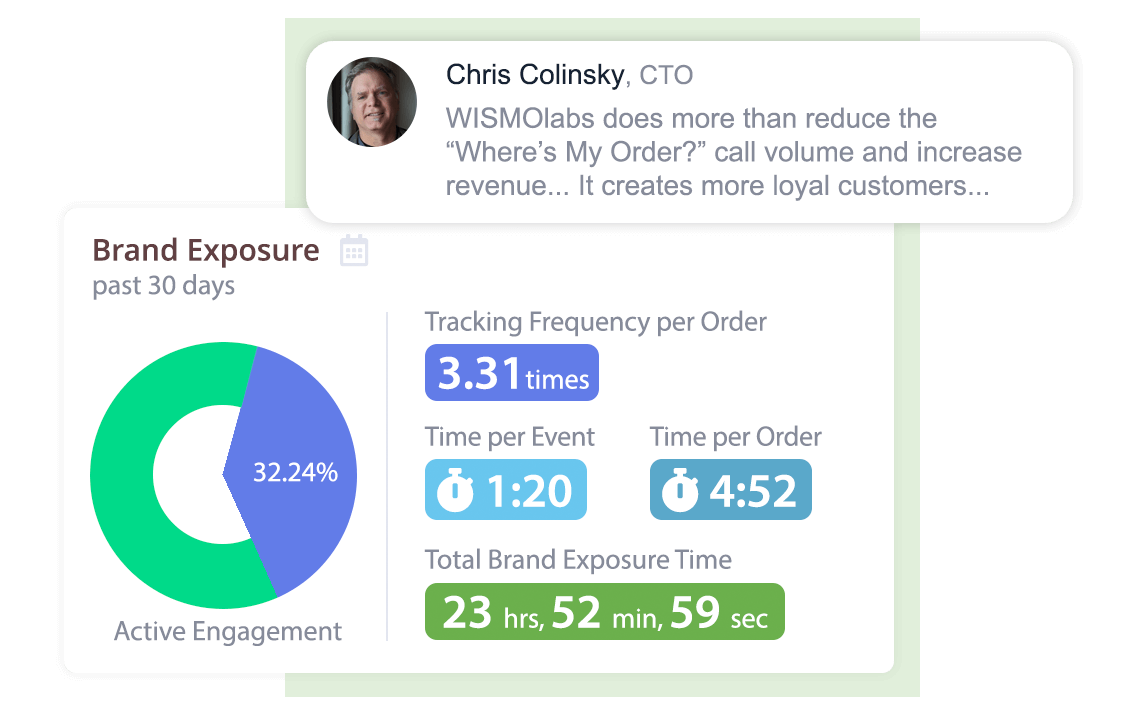
With WISMOlabs Customer Engagement Analytics, you can track portal visits, time on page, banner clicks, notification engagement, and more. This data helps you see which design decisions and content placements actually support customers.
We also monitor WISMO ticket deflection and changes in support volume over time. A well designed portal typically correlates with fewer “Where is my order?” contacts and higher satisfaction scores.
By tying portal interactions to downstream outcomes like reviews or repeat purchases, you can quantify the business impact of cohesive UX. This supports better prioritization and ongoing investment in the tracking experience.
11. Implementation Tips: Bringing Your Branded Tracking Portal To Life
Designing a cohesive branded tracking portal is a cross functional effort between CX, design, engineering, and operations. To keep momentum, we recommend moving in structured phases with clear ownership.
Start with discovery and mapping your current post purchase journey, touchpoints, and pain points. From there, define requirements for branding, data, integrations, and accessibility that will guide your portal build.
Partnering with a platform like WISMOlabs shortens time to value because much of the data, integration, and notification infrastructure already exists. Your teams can focus on design decisions and customer journeys instead of building carrier connections from scratch.
Finally, treat launch as the beginning, not the end. Use analytics, user feedback, and A/B tests on copy and layouts to refine the portal over time and keep UX cohesive as your brand evolves.
FAQs About Designing A Branded Tracking Portal For Cohesive UX
Q1. What is the difference between a carrier page and a branded tracking portal?
A carrier page is controlled by the shipping provider and uses their design, language, and data model. A branded tracking portal is owned by your brand, lives on your domain, and presents shipment information within your own UX and messaging.
Q2. How does a branded portal reduce customer support load?
A branded portal centralizes accurate, real time tracking information in a format customers can easily understand. When they can self serve answers, WISMO tickets and basic status inquiries drop significantly.
Q3. Can we still show carrier level details in a branded portal?
Yes, you can expose carrier, tracking numbers, and even deep links when needed. The key is to present everything through a consistent, branded interface that explains what each detail means for the customer.
Q4. How important is mobile optimization for a tracking portal?
Mobile optimization is critical because most customers check order status on their phones. Layouts, controls, and typography should be tested thoroughly on small screens to ensure a cohesive experience.
Q5. How long does it typically take to launch a branded tracking portal?
Timelines depend on internal resources and integration complexity. Working with WISMOlabs usually shortens the process, because data connections, carrier logic, and many UX patterns are already in place.
Q6. Can we A/B test portal layouts or content?
Yes, testing is an important part of refining a cohesive UX. You can experiment with copy, hierarchy, and content placements to see what best supports customers while staying on brand.
Q7. How does accessibility factor into tracking portal design?
Accessibility is essential, not optional, for a customer facing portal. We recommend designing for readable contrast, keyboard navigation, screen reader support, and clear focus states across all interactive elements.
Conclusion
Designing a branded tracking portal for cohesive UX is about more than matching colors and logos. It means connecting accurate shipment data, clear communication, and thoughtful design into a single experience customers can rely on every time they order from you.
When tracking lives inside a consistent, on brand environment, it reduces uncertainty, deflects WISMO tickets, and builds trust across the entire post purchase journey. At WISMOlabs, we help brands own this critical moment with branded tracking portals, intelligent notifications, personalization, and analytics that all work together as one cohesive system.