Key Takeaways
- Post-purchase follow-up is crucial for building customer loyalty and reducing support costs
- Self-service tracking solutions significantly reduce “Where Is My Order?” (WISMO) inquiries
- Personalized communications increase customer engagement and repeat purchases
- Automated shipment notifications keep customers informed and reduce anxiety
- Strategic post-purchase marketing can transform one-time buyers into loyal customers
- Effective returns management can turn a potential negative experience into a positive one
- Analytics help measure the ROI of your post-purchase experience initiatives
Understanding the Post-Purchase Experience
The post-purchase experience encompasses all interactions a customer has with your brand after completing a transaction. This critical phase of the customer journey often receives less attention than acquisition efforts, yet it holds tremendous potential for building loyalty and driving repeat business. Many businesses invest heavily in attracting new customers but overlook the opportunity to nurture relationships with those who have already demonstrated trust in their brand by making a purchase. This oversight can lead to missed opportunities for increasing customer lifetime value and generating positive word-of-mouth referrals that could significantly impact long-term revenue growth and brand reputation.
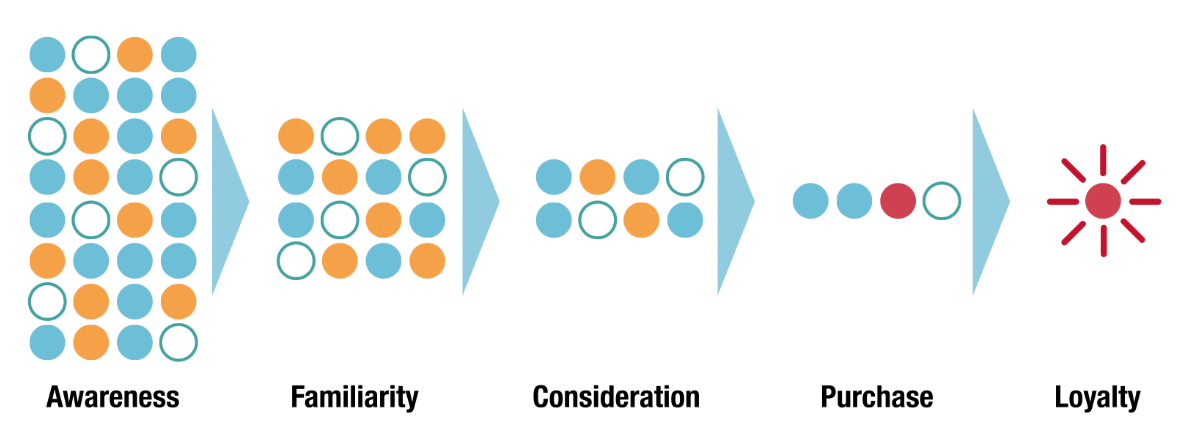
When customers complete a purchase, they enter a critical period where they may experience various emotions – from excitement about their new purchase to anxiety about when it will arrive. This “purchase gap” represents both a challenge and an opportunity for brands to provide reassurance and build trust. Without proper follow-up, customers may feel abandoned after their purchase, leading to uncertainty and potential buyer’s remorse. The emotional rollercoaster during this waiting period can significantly impact how customers perceive your brand and whether they’ll return for future purchases. By implementing effective post-purchase strategies, businesses can bridge this gap and create a seamless experience that encourages loyalty.
Research shows that acquiring a new customer costs 5-7 times more than retaining an existing one. Even a 5% increase in customer retention can lead to profit increases of 25% to 95%. These statistics highlight the significant financial benefits of focusing on the post-purchase experience. The economics are clear: nurturing existing customers delivers a substantially higher return on investment compared to constantly pursuing new ones. Additionally, satisfied customers become brand advocates who promote your business through word-of-mouth marketing, effectively becoming an extension of your marketing team at no additional cost. By developing thoughtful follow-up techniques, businesses can transform one-time buyers into repeat customers and brand advocates who not only continue to purchase but also recommend your products or services to others.
The Loyalty Loop: Why Post-Purchase Matters
The post-purchase experience directly impacts your ability to create what marketers call the “loyalty loop” – the cycle that transforms first-time buyers into repeat customers and eventually brand advocates. Research consistently shows that reducing buyer’s remorse and enhancing post-purchase satisfaction leads to:
- Higher customer lifetime value
- Increased word-of-mouth referrals
- Reduced acquisition costs
- More positive reviews and testimonials
- Greater resistance to competitor offers
The loyalty loop begins immediately after purchase, when customers are most engaged with your brand. During this critical window, customers are evaluating whether their decision to purchase was a good one. Effective post-purchase communication reassures them of their choice and begins building the foundation for a long-term relationship. This psychological reinforcement helps mitigate cognitive dissonance – the mental discomfort experienced when actions conflict with beliefs – which often manifests as buyer’s remorse. When customers feel confident about their purchase decisions, they’re more likely to develop emotional connections with your brand that transcend purely transactional relationships. By providing value beyond the transaction itself, businesses can strengthen customer loyalty and encourage repeat purchases.
Cost to Acquire
It costs 5x more to acquire a new customer than to retain an existing one
Success Rate
The probability of selling to an existing customer is 60-70%
Profit Increase
A 5% increase in customer retention can increase profits by 25-95%
Self-Service Order Tracking: Reducing WISMO Inquiries
One of the most effective post-purchase follow-up techniques is implementing a robust self-service order tracking system. This approach transforms what is typically a support burden into an opportunity to enhance your brand experience. After making a purchase, customers naturally want to know where their order is and when it will arrive. This curiosity stems from both excitement about receiving their items and anxiety about potential delays or delivery issues. Without easy access to this information, they’ll contact customer support, creating what’s known as WISMO (Where Is My Order?) inquiries, which can quickly overwhelm support teams and increase operational costs. Industry data suggests that WISMO inquiries can account for up to 70% of all customer service contacts during peak shopping periods.
WISMO (Where Is My Order) inquiries are among the most common customer service requests for eCommerce businesses. By implementing self-service order and shipment tracking, you can:
- Reduce support tickets: Give customers instant access to order status information without contacting support
- Provide real-time visibility: Show comprehensive tracking information from order placement through delivery
- Enhance brand experience: Create fully branded tracking pages that reinforce your identity
- Increase customer confidence: Transparent order status updates reduce anxiety and build trust
A well-designed self-service tracking solution doesn’t just reduce costs—it transforms a potential friction point into a brand-building opportunity. Customers appreciate the transparency and control that comes with having easy access to their order status. Instead of feeling anxious or uncertain about their purchase, they can check on their order whenever they want, reducing the likelihood of buyer’s remorse and increasing satisfaction with the overall shopping experience. Additionally, these tracking pages become valuable marketing real estate, allowing you to showcase complementary products, highlight your return policy, or promote loyalty programs while customers are actively engaged with your brand.
“Self-Service Order & Shipment Tracking transforms a major support burden into a seamless, brand-building experience.”— WISMOlabs
Key Features of Effective Order Tracking
When implementing order tracking as part of your post-purchase strategy, look for solutions that offer:
By improving the delivery experience, you create multiple touchpoints for positive engagement during the critical waiting period between purchase and delivery. Each interaction is an opportunity to reinforce your brand values, provide helpful information, and deepen the customer relationship. The psychological impact of these touchpoints shouldn’t be underestimated – they help maintain the post-purchase excitement while mitigating anxiety about delivery timing or product satisfaction. Self-service tracking also empowers customers, giving them control over their post-purchase experience and reducing the anxiety that can come with waiting for an order to arrive. This sense of empowerment contributes significantly to overall satisfaction and perception of your brand’s customer service quality.
Research shows that 85% of consumers would not re-order from a retailer after a poor delivery experience. This staggering statistic highlights how crucial the delivery phase is to customer retention and lifetime value. Furthermore, studies indicate that customers who actively track their orders are 73% more likely to purchase from the same retailer again, compared to those who don’t engage with tracking information. By implementing effective self-service tracking, you can ensure that customers have a positive experience during this crucial phase of the customer journey, increasing the likelihood that they’ll return for future purchases.
Automated Shipment Notifications: Keeping Customers Informed
Proactive communication is essential for a positive post-purchase experience. Automated shipment notifications keep customers informed at every stage of the fulfillment and delivery process. Rather than leaving customers wondering about the status of their order, these notifications provide timely updates that reduce anxiety and build trust. They also demonstrate that your business values transparency and customer satisfaction, strengthening the relationship beyond the initial transaction. In today’s instant-gratification culture, customers expect real-time information about their purchases – meeting this expectation is no longer optional but a fundamental component of competitive customer service.
An intelligent shipment notification system does more than just inform customers—it builds anticipation and reduces anxiety during the waiting period. Effective notification strategies include:
- Multi-channel delivery: Send updates via email, SMS, push notifications, and webhooks
- Milestone-based triggers: Notify customers at key points like order confirmation, processing, shipping, and delivery
- Personalized content: Include the customer’s name, order details, and relevant product information
- Delivery estimates: Provide accurate timeframes and updates if schedules change
- Branding opportunities: Design notifications that reinforce your visual identity and voice
Research shows that customers who receive regular updates about their orders report higher satisfaction levels, even when delays occur. Transparent communication builds trust and reduces the likelihood of negative reviews or support inquiries. A study by Narvar found that 98% of shoppers feel better about a company if they receive proactive shipment notifications. Additionally, customers who are kept informed throughout the delivery process are 40% less likely to contact customer support with inquiries, significantly reducing operational costs. Over 80% of consumers expect regular updates on their product’s status from purchase to delivery, making automated notifications an essential component of any post-purchase strategy.
Automated notifications also provide an opportunity to engage customers during the waiting period, when they’re most likely to be thinking about their purchase. By including helpful content, such as product care instructions or usage tips, you can enhance the customer experience and increase the perceived value of their purchase. These educational elements help customers prepare for their product’s arrival and set appropriate expectations, which can reduce returns and increase satisfaction. Furthermore, thoughtfully designed notifications can incorporate subtle marketing elements that drive additional engagement without feeling overtly promotional.
Order Confirmation
Immediate acknowledgment that builds confidence and reduces post-purchase anxiety
Shipping Updates
Proactive notifications about package movement and expected delivery dates
Delivery Confirmation
Verification of successful delivery and opportunity for feedback collection
Exception Handling
Transparent communication about delays or issues with proactive resolution paths
Personalized Post-Purchase Marketing: Beyond Transactional Communication
While transactional emails like order confirmations and shipping updates are essential, the post-purchase period also presents opportunities for deeper customer engagement through personalized marketing. This approach recognizes that customers who have just made a purchase are highly engaged with your brand and receptive to relevant communications. By tailoring your messaging to their specific interests and purchase history, you can create meaningful interactions that drive additional value for both the customer and your business. The post-purchase window represents a unique opportunity to strengthen relationships when customer attention and brand sentiment are typically at their highest points.
A sophisticated personalization and engagement marketing engine allows you to create dynamic, relevant messaging that resonates with customers based on their specific purchases and behaviors. Effective post-purchase marketing strategies include:
Product education involves sending usage guides, tips, and best practices for purchased items. Cross-sell recommendations suggest complementary products based on purchase history. Replenishment reminders alert customers when it’s time to restock consumable items. Loyalty program invitations encourage enrollment in rewards programs after successful purchases. Feedback requests solicit reviews and testimonials at the optimal time.
The key to effective post-purchase marketing is relevance. Generic promotional messages can feel tone-deaf after a purchase, but thoughtfully personalized communications demonstrate that you understand your customers’ needs and preferences. Research shows that personalized emails have open rates up to 26% higher than non-personalized messages, highlighting the importance of tailoring your communications to each customer’s specific context. Additionally, customers who receive personalized product recommendations are 4.5 times more likely to make repeat purchases and spend 40% more than those who don’t receive such targeted content. These statistics underscore the significant impact that well-executed personalization can have on customer lifetime value and revenue growth.
As noted in WISMOlabs’ research on post-purchase experiences, one size does not fit all. Segmentation and personalization are crucial for creating meaningful engagement after the sale. By analyzing customer data and purchase patterns, you can identify opportunities to provide value through targeted recommendations and relevant content that enhances the customer’s experience with your products. Advanced personalization technologies now enable marketers to go beyond basic demographic segmentation to create truly individualized experiences based on behavioral data, purchase history, and even browsing patterns. This level of personalization creates the impression that your communications were crafted specifically for each customer, significantly increasing their impact and effectiveness.
Strategic Timing of Post-Purchase Communications
The timing of your follow-up communications is just as important as their content. A well-planned sequence might include:
| Timing | Communication Type | Primary Purpose |
|---|---|---|
| Immediately after purchase | Order confirmation | Reassurance and transaction details |
| When order ships | Shipping notification | Tracking information and delivery estimates |
| 1-2 days after delivery | Product education | Usage tips and best practices |
| 5-7 days after delivery | Review request | Feedback collection |
| 10-14 days after delivery | Cross-sell recommendations | Complementary product suggestions |
| 30+ days after purchase | Loyalty program invitation | Relationship building |
By integrating post-purchase marketing with WISMO strategies, you can create a cohesive experience that drives both customer satisfaction and additional revenue. This integrated approach ensures that customers receive consistent messaging across all touchpoints, reinforcing your brand identity and building a stronger relationship over time. The synergy between operational communications (like shipping updates) and marketing messages creates a seamless customer journey that feels natural and helpful rather than disjointed or overly promotional.
Post-purchase emails have significantly higher engagement rates than standard marketing communications, with open rates averaging 40.5% compared to 20.94% for regular promotional emails. This higher engagement presents a valuable opportunity to deepen customer relationships and drive additional revenue through thoughtful, relevant communications that add value to the customer’s experience with your products. Click-through rates for post-purchase emails are also substantially higher – typically 10-15% compared to 2-3% for standard promotional emails – indicating that customers are more receptive to engaging with your content during this critical phase of the relationship. By capitalizing on this heightened attention, brands can establish patterns of engagement that extend well beyond the initial purchase.
Streamlining Returns: Turning Potential Negatives into Positives
Returns are an inevitable part of eCommerce, but they don’t have to be a negative experience. A well-designed returns process can actually enhance customer loyalty and increase future purchases. When customers know they can easily return items if they’re not satisfied, they’re more likely to make purchases in the first place, and a smooth returns experience can turn what could be a disappointment into an opportunity to demonstrate excellent customer service. Research indicates that 67% of shoppers check a retailer’s return policy before making a purchase, highlighting how crucial this aspect is to the buying decision. Furthermore, customers who have a positive returns experience are 82% more likely to shop with that retailer again, underscoring the long-term value of getting this process right.
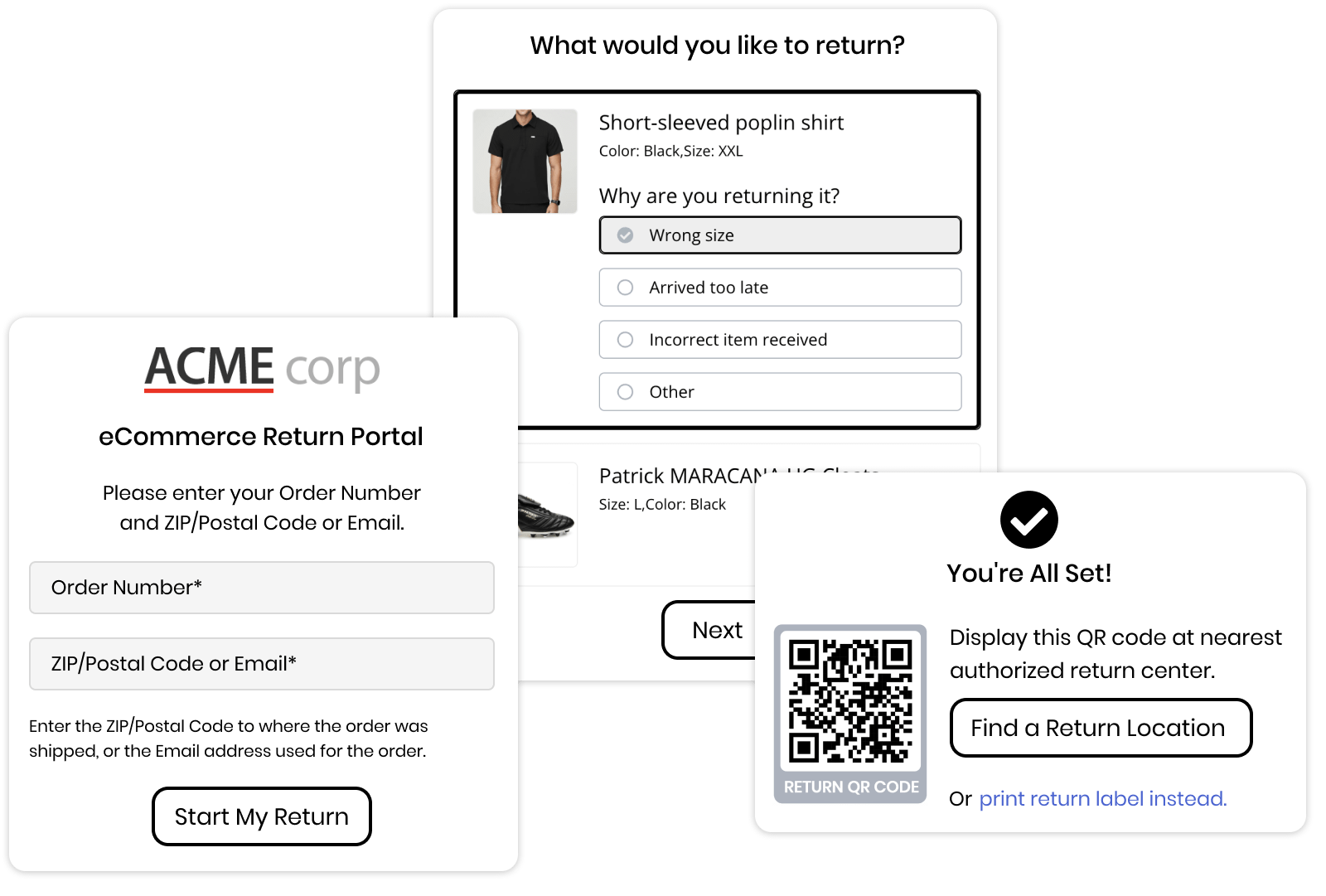

An eCommerce returns solution should focus on making the process as seamless and stress-free as possible for customers. Key components include:
Self-service return initiation allows customers to start returns without contacting support. Clear policies communicate return timeframes, eligibility, and processes transparently. Multiple return options offer convenient methods like drop-off locations or home pickup. Automated refund processing expedites refunds once returns are received. Exchange alternatives make it easy to exchange for different sizes, colors, or products. Feedback collection helps understand return reasons to improve products and descriptions.
Research shows that 95% of customers will shop with a retailer again if the returns process is easy. By transforming returns from a potential friction point into a positive interaction, you can bridge the post-purchase CX gap and build stronger customer relationships. A transparent, hassle-free returns process demonstrates confidence in your products and commitment to customer satisfaction, which can actually increase trust and loyalty even when a customer needs to return an item. The psychological impact is significant – customers interpret an easy returns process as a signal that the company stands behind its products and values customer satisfaction above short-term profits.
Rather than viewing returns as a cost center, forward-thinking retailers see them as an opportunity to gather valuable feedback, improve product offerings, and create positive customer experiences that drive long-term loyalty. By analyzing return reasons, businesses can identify patterns that may indicate issues with product descriptions, sizing information, or quality control, leading to improvements that reduce future returns and enhance customer satisfaction. This data-driven approach transforms returns from a purely operational challenge into a strategic asset for continuous improvement. Additionally, the returns process provides an opportunity to recommend alternative products that might better meet the customer’s needs, potentially converting what would have been a lost sale into an exchange or even an upsell opportunity.
Benefits of a Streamlined Returns Process
Increased Customer Confidence
Customers buy more when they know returns are easy
Reduced Support Costs
Self-service returns minimize customer service interactions
Higher Conversion Rates
Clear return policies improve purchase confidence
Valuable Customer Insights
Return reasons help identify product improvement opportunities
Measuring Success: Analytics for Post-Purchase Experiences
To optimize your post-purchase follow-up techniques, you need to measure their effectiveness. Comprehensive analytics provide insights into customer behavior and the impact of your strategies. Without proper measurement, it’s difficult to know which aspects of your post-purchase experience are working well and which need improvement. By tracking key metrics, you can make data-driven decisions that enhance customer satisfaction and drive business growth. Establishing clear baselines and benchmarks allows you to quantify improvements over time and demonstrate the ROI of your post-purchase initiatives to stakeholders across the organization.
Customer engagement analytics help you understand how your post-purchase communications are performing and where improvements can be made. Key metrics to track include:
You should track tracking page engagement including views, time spent, and interaction with tracking interfaces. Email performance metrics like open rates, click-through rates, and conversion actions from post-purchase emails are important. Support ticket reduction shows the decrease in WISMO inquiries and other support requests. Return rate analysis helps identify patterns in returns by product, category, or customer segment. Repeat purchase rate measures the percentage of customers who buy again after initial purchase. Customer satisfaction scores like NPS, CSAT, or other feedback metrics help gauge overall experience quality.
By analyzing these metrics, you can identify which post-purchase techniques are most effective for your business and continuously refine your approach. The goal is to create a data-driven strategy that maximizes customer satisfaction and lifetime value. Advanced analytics platforms can help you identify correlations between specific post-purchase interactions and desirable outcomes like repeat purchases or positive reviews. For example, you might discover that customers who engage with product education content within the first week after delivery have a 30% higher retention rate than those who don’t. These insights enable you to prioritize the most impactful elements of your post-purchase experience and allocate resources accordingly. Analytics also help you quantify the ROI of your post-purchase initiatives, making it easier to secure resources and support for ongoing improvements to the customer experience.
Advanced analytics can also help you segment customers based on their behavior and preferences, enabling more targeted and relevant communications. For example, you might identify customers who frequently check their order status as being more anxious about their purchases, and provide them with additional reassurance through more frequent updates. Similarly, customers who engage with product recommendations might receive more cross-sell communications, while those who don’t might receive more educational content instead. This behavioral segmentation creates a virtuous cycle where customer actions inform your communication strategy, which in turn generates more meaningful engagement. Over time, this approach allows you to develop increasingly sophisticated customer profiles that enhance personalization and drive higher conversion rates across all marketing efforts.
Post-Purchase ROI Indicators
- 📈 Reduction in customer service costs
- 📈 Increase in repeat purchase rate
- 📈 Higher average order value on subsequent purchases
- 📈 Improved customer retention metrics
- 📈 Growth in positive reviews and testimonials
- 📈 Increased referral traffic from satisfied customers
Implementing a Holistic Post-Purchase Strategy
To maximize the effectiveness of your post-purchase follow-up, all elements should work together in a cohesive strategy. This integrated approach ensures consistent customer experiences across all touchpoints. Rather than implementing isolated tactics, successful businesses develop a comprehensive post-purchase strategy that addresses every stage of the customer journey after the sale. This holistic approach creates a seamless experience that reinforces your brand identity and builds stronger customer relationships. When post-purchase touchpoints are disconnected or inconsistent, they can create confusion and diminish trust, undermining the very loyalty you’re trying to build.
When developing your post-purchase strategy, consider these implementation steps:
- Audit your current post-purchase experience: Identify gaps and opportunities in your existing follow-up processes
- Map the customer journey: Document all touchpoints from purchase confirmation through delivery and beyond
- Prioritize improvements: Focus first on high-impact areas like order tracking and shipping notifications
- Select appropriate tools: Choose platforms that integrate with your existing systems and scale with your business
- Develop communication templates: Create branded, personalized messaging for each post-purchase touchpoint
- Establish measurement frameworks: Define KPIs and set up analytics to track performance
- Test and iterate: Continuously refine your approach based on customer feedback and performance data
Remember that one size does not fit all when it comes to post-purchase experiences. Different customer segments may have varying expectations and preferences, so segmentation and personalization are key to success. New customers might need more guidance and reassurance, while returning customers might appreciate a more streamlined experience with fewer communications. First-time buyers typically require more educational content and reassurance, while loyal customers might value exclusivity and recognition. Similarly, customers purchasing high-involvement products like electronics or furniture generally expect more detailed post-purchase support than those buying low-involvement items. By tailoring your approach to different customer segments, you can create more relevant and effective post-purchase experiences.
Cross-functional collaboration is also essential for implementing an effective post-purchase strategy. Marketing, customer service, operations, and IT teams must work together to create a seamless experience that reflects your brand values and meets customer needs. Siloed approaches often result in disconnected experiences that confuse customers and undermine trust. For example, if marketing sends promotional messages that don’t acknowledge shipping delays that operations is experiencing, customers will perceive a lack of internal communication and coordination. Regular communication and shared goals help ensure that all departments are aligned in their approach to the post-purchase experience. This alignment requires executive sponsorship and clear governance structures to ensure consistent execution across the organization.
Integration with Existing Systems
For maximum efficiency, your post-purchase follow-up tools should integrate seamlessly with your existing technology stack, including:
Your tools should directly connect to order and customer data in your eCommerce platform. They should access real-time product availability from inventory management systems for accurate communications. They should provide automated tracking updates from multiple shipping carriers. They should offer a comprehensive view of customer interactions and history through your CRM system. They should enable coordinated messaging across all channels via marketing automation tools. And they should provide shared visibility of customer issues and resolutions through your customer support platform.
These integrations enable a unified approach to post-purchase communication and ensure that all customer-facing teams have access to the same information. When systems are properly integrated, customers receive consistent messaging regardless of which channel they use to interact with your brand. This consistency builds trust and reduces friction in the customer experience. Technical integration challenges often present significant hurdles for organizations attempting to implement cohesive post-purchase strategies. Legacy systems with limited APIs, data silos between departments, and disparate technology stacks can make it difficult to create the seamless experience customers expect. Overcoming these challenges may require investment in middleware solutions or customer data platforms that can unify information across systems.
Integration also enables more sophisticated automation and personalization capabilities. By connecting your post-purchase tools with your CRM and marketing automation platforms, you can create dynamic customer segments based on purchase history, browsing behavior, and engagement patterns. These segments can then receive tailored communications that address their specific needs and preferences, increasing the relevance and effectiveness of your post-purchase follow-up. The real-time nature of these integrations is particularly important – customers expect immediate confirmation of their actions and up-to-date information about their orders. Delays in data synchronization between systems can lead to inconsistent or outdated information being presented to customers, undermining confidence in your brand’s operational capabilities.
Reducing Buyer’s Remorse Through Effective Follow-Up
Buyer’s remorse—the feeling of regret after making a purchase—can significantly impact customer satisfaction and future buying behavior. Effective post-purchase follow-up techniques can help mitigate these negative feelings. Buyer’s remorse often stems from cognitive dissonance, where customers question whether they made the right decision. This psychological phenomenon is particularly common with high-value purchases or impulse buys, where customers may second-guess their decision once the initial excitement fades. By providing reassurance and reinforcing the value of their purchase, you can help customers feel confident in their choice and reduce the likelihood of returns or negative reviews.
Reducing buyer’s remorse involves several strategic approaches:
You can reinforce the value proposition by reminding customers why they made a good choice. Providing usage guidance helps customers get the most from their purchase. Sharing social proof shows how others are enjoying the same product. Setting realistic expectations means being transparent about delivery timelines and product capabilities. Offering reassurance emphasizes your return policy and satisfaction guarantees. Creating community invites customers to join user groups or online communities where they can connect with others who have made similar purchases.
By addressing potential concerns and reinforcing the benefits of their purchase, you can help customers feel confident in their decision and build a foundation for long-term loyalty. Effective follow-up communications should acknowledge the emotional aspects of the purchase decision and provide both rational and emotional reassurance that the customer made the right choice. Neuropsychological research indicates that purchase decisions are often made emotionally and then justified rationally, so addressing both aspects in your post-purchase communications is essential. Testimonials from satisfied customers, expert endorsements, and industry awards can all serve as powerful social validation that reinforces the customer’s decision.
Educational content is particularly effective in reducing buyer’s remorse. When customers understand how to use their purchase effectively, they’re more likely to experience its full value and feel satisfied with their decision. Product guides, tutorial videos, and usage tips help customers overcome any initial challenges and start enjoying their purchase right away, reducing the likelihood of returns due to confusion or frustration. Research by the Customer Experience Impact Report found that 67% of returns are due to customer error rather than product defects, highlighting the importance of proper education and onboarding. By providing clear, accessible instructions and support resources, you can help customers achieve quick wins with their purchase, creating positive associations that counteract potential regret.
Leveraging Technology for Enhanced Post-Purchase Experiences
Technology plays a crucial role in delivering exceptional post-purchase experiences at scale. Modern solutions enable businesses to automate routine communications while maintaining personalization and relevance. By leveraging the right tools, you can create efficient workflows that deliver consistent, high-quality experiences without overwhelming your team. The key is to balance automation with authenticity, using technology to enhance rather than replace the human elements that build genuine customer relationships. Advanced platforms now offer sophisticated capabilities that were once available only to enterprise-level organizations, democratizing access to world-class post-purchase experiences for businesses of all sizes.
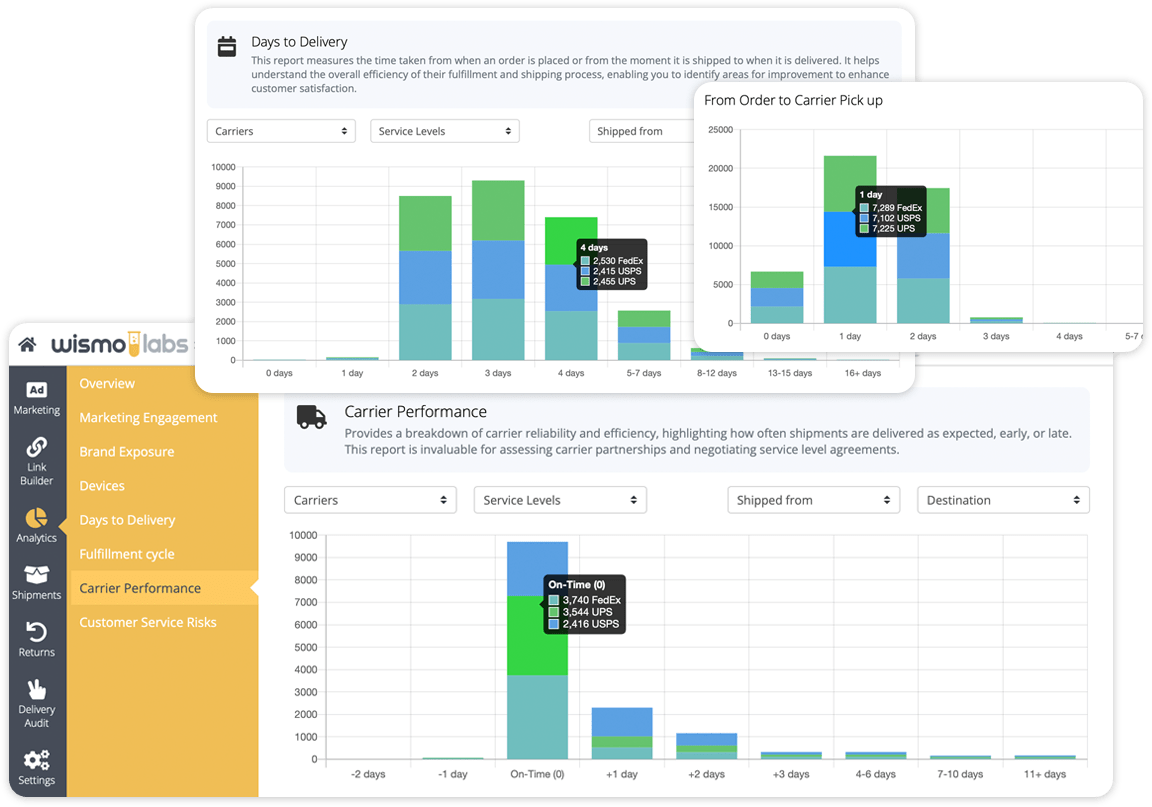
Key technology components for effective post-purchase follow-up include:
Automation platforms enable triggered communications based on order status, customer actions, and predefined rules. These systems ensure timely delivery of relevant messages without manual intervention, freeing your team to focus on higher-value activities. Machine learning algorithms continuously optimize send times, subject lines, and content based on engagement patterns.
AI-powered personalization engines analyze customer data to deliver tailored recommendations and messaging. These sophisticated systems go beyond basic segmentation to create truly individualized experiences that resonate with each customer’s unique preferences and purchase history. Advanced natural language processing enables dynamic content generation that adapts to context and customer characteristics.
Omnichannel communication hubs centralize messaging across email, SMS, push notifications, and other channels. This unified approach ensures consistent experiences regardless of how customers prefer to receive updates, while providing a single source of truth for all customer communications. Integration with emerging channels like messaging apps and voice assistants keeps your post-purchase experience current with evolving customer preferences.
Real-time tracking infrastructure connects with carriers and logistics providers to deliver accurate, up-to-date shipment information. This foundation enables the proactive notifications and self-service capabilities that modern customers expect. Advanced systems can aggregate data from hundreds of carriers worldwide, normalizing disparate tracking formats into a consistent customer experience.
Choosing the Right Post-Purchase Platform
When evaluating post-purchase experience platforms, consider these critical factors:
- Integration capabilities: How easily does the platform connect with your existing eCommerce, CRM, and marketing systems?
- Carrier coverage: Does the solution support all the shipping carriers you use, including international options?
- Customization options: Can you fully brand the experience and tailor communications to your voice?
- Analytics depth: Does the platform provide actionable insights that drive continuous improvement?
- Scalability: Will the solution grow with your business and handle peak volumes?
- Support and implementation: What resources are available to help you maximize the platform’s value?
The right platform should feel like a natural extension of your existing technology stack, enhancing your capabilities without creating additional complexity or operational burden. Comprehensive post-purchase solutions offer end-to-end functionality that addresses every aspect of the customer journey after the sale, from order confirmation through delivery and beyond.
Building Customer Advocacy Through Post-Purchase Excellence
The ultimate goal of post-purchase follow-up is to transform satisfied customers into active brand advocates. These loyal customers not only continue purchasing but also recommend your brand to others, effectively becoming an extension of your marketing team. Building this level of advocacy requires consistently exceeding expectations at every post-purchase touchpoint. Research indicates that customers acquired through referrals have a 37% higher retention rate and 25% higher lifetime value than those acquired through other channels, making advocacy development a powerful driver of sustainable business growth.
Strategies for building customer advocacy include:
Exceeding delivery expectations means arriving faster than promised when possible and packaging products thoughtfully. Small surprises and attention to detail create memorable experiences that customers want to share. Consider including handwritten notes, unexpected samples, or premium packaging that elevates the unboxing experience beyond what competitors offer.
Making feedback collection meaningful involves actively soliciting and responding to customer input. When customers see that their feedback leads to improvements, they feel valued and invested in your brand’s success. Close the loop by communicating how customer suggestions have influenced product development or service enhancements.
Creating shareable moments means designing post-purchase experiences that customers naturally want to share on social media. Unique packaging, personalized touches, and unexpected delights generate organic word-of-mouth marketing. Encourage sharing by including social media prompts and hashtags in your communications and packaging.
Rewarding loyalty shows appreciation for repeat customers through exclusive offers, early access to new products, and personalized recognition. These gestures strengthen emotional connections and encourage continued engagement. Consider implementing tiered loyalty programs that provide increasingly valuable benefits as customers deepen their relationship with your brand.
Empowering customer success means providing resources that help customers get maximum value from their purchases. When customers succeed with your products, they become natural advocates who share their positive experiences with others. Develop comprehensive knowledge bases, video tutorials, and community forums that support ongoing customer success.
The Path to Customer Advocacy
Satisfaction
Meeting expectations through reliable delivery and quality products
Loyalty
Exceeding expectations through personalized experiences and recognition
Advocacy
Creating memorable moments that customers want to share with others
Future Trends in Post-Purchase Experience
The post-purchase landscape continues to evolve rapidly, driven by technological advances and changing customer expectations. Staying ahead of these trends is essential for maintaining competitive advantage and delivering experiences that meet the demands of tomorrow’s consumers. Businesses that anticipate and adapt to these changes will be best positioned to build lasting customer relationships and drive sustainable growth.
Emerging trends shaping the future of post-purchase follow-up include:
Predictive analytics and AI are enabling increasingly sophisticated anticipation of customer needs. Advanced systems can identify potential delivery issues before they occur, predict when customers might be ready for replenishment, and personalize communications based on behavioral patterns that indicate intent or satisfaction levels. These capabilities transform reactive customer service into proactive relationship management.
Conversational commerce is changing how customers interact with brands after purchase. Chatbots and messaging platforms are becoming primary channels for order tracking, returns initiation, and post-purchase support. These conversational interfaces provide immediate, personalized assistance that meets customers where they already spend their time.
Sustainability in delivery and packaging is becoming a differentiator as environmentally conscious consumers seek brands that align with their values. Post-purchase communications that highlight sustainable practices and provide carbon footprint information are resonating with growing customer segments. Offering eco-friendly delivery options and packaging alternatives demonstrates commitment to environmental responsibility.
Augmented reality experiences are enhancing post-purchase engagement by helping customers visualize products in their space, access interactive instructions, and unlock digital content. These immersive experiences add value beyond the physical product and create memorable brand interactions that drive loyalty and sharing.
Hyper-personalization is moving beyond basic segmentation to truly individualized experiences. Advanced data analytics and AI enable communications tailored not just to demographic segments but to individual preferences, behaviours, and contexts. This level of personalization creates experiences that feel genuinely relevant and valuable to each customer.
Frequently Asked Questions
How quickly should I send post-purchase follow-up communications?
Order confirmations should be sent immediately after purchase to provide reassurance. Shipping notifications should go out as soon as tracking information is available. Post-delivery communications like review requests are most effective 5-7 days after delivery, giving customers time to experience the product. The key is matching timing to purpose—urgent information requires immediate delivery, while relationship-building communications benefit from strategic spacing.
What’s the ideal frequency for post-purchase communications?
Quality matters more than quantity. Focus on sending relevant, valuable communications rather than overwhelming customers with messages. A typical sequence might include 4-6 touchpoints: order confirmation, shipping notification, delivery confirmation, product education, review request, and a cross-sell recommendation. Monitor engagement metrics and unsubscribe rates to find the optimal frequency for your audience.
How can I reduce WISMO inquiries without implementing expensive technology?
Start with basic improvements like including tracking links prominently in confirmation emails, setting clear delivery expectations at checkout, and providing estimated delivery dates. Even simple self-service tracking pages can significantly reduce support volume. As you see ROI from these initial steps, you can invest in more sophisticated solutions that offer advanced features like proactive notifications and branded tracking portals.
What metrics should I prioritize when measuring post-purchase success?
Focus on metrics that directly impact business outcomes: repeat purchase rate, customer lifetime value, WISMO inquiry volume, and customer satisfaction scores. Engagement metrics like email open rates and tracking page views provide useful operational insights but should be connected to these higher-level business metrics. Establish baselines before implementing changes so you can accurately measure improvement.
How do I balance automation with personalization in post-purchase follow-up?
Use automation to ensure timely, consistent delivery of communications while leveraging data to personalize content. Dynamic content blocks allow automated emails to include personalized product recommendations, customer names, and relevant information based on purchase history. The goal is efficiency without sacrificing relevance—customers should feel like communications were crafted for them, even when they’re generated automatically.
Conclusion: Transforming Transactions into Relationships
Effective post-purchase follow-up is no longer optional—it’s a fundamental component of successful eCommerce strategy. By implementing the techniques outlined in this guide, you can transform one-time transactions into lasting customer relationships that drive sustainable business growth. The post-purchase phase represents your greatest opportunity to demonstrate your brand’s values, exceed customer expectations, and build the loyalty that distinguishes market leaders from competitors.
The benefits of investing in post-purchase excellence are clear and measurable: reduced support costs, increased customer lifetime value, higher retention rates, and organic growth through customer advocacy. Businesses that prioritize this phase of the customer journey consistently outperform those that focus solely on acquisition, achieving sustainable competitive advantages that compound over time.
Start by assessing your current post-purchase experience and identifying the highest-impact opportunities for improvement. Whether that’s implementing self-service tracking, deploying intelligent shipment notifications, or creating personalized post-purchase marketing, each enhancement moves you closer to the exceptional experiences your customers expect and deserve.
Remember that post-purchase optimization is an ongoing journey, not a destination. Customer expectations continue to rise, and the businesses that thrive are those that continuously refine their approach based on feedback and performance data. By committing to excellence in every post-purchase interaction, you can build the loyal customer base that forms the foundation of long-term business success.
Ready to Transform Your Post-Purchase Experience?
Discover how WISMOlabs can help you reduce WISMO inquiries, increase customer loyalty, and drive repeat purchases through effective post-purchase follow-up techniques.
Schedule a Demo