Shipping issues are no longer rare exceptions; 86% of shoppers experienced at least one delivery issue in the past year, from delays to lost parcels. If your team only learns about these problems when customers complain, you pay in support volume, refunds, and lost loyalty. Detecting shipping anomalies before customers notice requires a structured mix of real-time visibility, predictive intelligence, and proactive communication—supported by the right tools and processes across your logistics stack.
Key Takeaways
| Question | Answer |
|---|---|
| How can I see shipment issues in real time? | Use a unified tracking platform like real-time shipment tracking to consolidate data from hundreds of carriers, normalize status codes, and surface anomalies quickly. |
| How do I predict delays before they happen? | Deploy AI-based tools such as predict delivery delays that analyze carrier performance, routes, weather, and past data to flag at-risk shipments days in advance. |
| What’s the best way to notify customers about anomalies? | Automate multi-channel alerts with an engine like intelligent shipment notifications to send clear, branded messages via email, SMS, and webhooks based on triggers. |
| How do I reduce “Where is my order?” (WISMO) contacts? | Combine self-service tracking via a portal like self-service order & shipment tracking with predictive alerts and proactive communications, so customers see accurate ETAs without contacting support. |
| Can tracking also support my brand experience? | Yes. A branded tracking portal lets you host tracking on your own site with on-brand content, offers, and messaging while controlling how anomalies are presented. |
| How does AI support anomaly detection? | By turning delivery data into signals, as described in turn delivery data into predictive intelligence, AI can learn patterns that precede delays, lost packages, and exceptions—and warn you early. |
| Where should I start improving the delivery experience? | Begin with a holistic approach like the one outlined in improve delivery experience, combining predictive alerts, unified tracking, and branded communications. |
Understanding Shipping Anomalies and Why Early Detection Matters
A shipping anomaly is any deviation from the expected delivery journey—late departures, missed scans, routing errors, failed delivery attempts, damaged goods, or returns that stall. These events may start small, such as a package lingering at a hub for an extra day, but quickly escalate into customer frustration if unmanaged.
Early detection shifts you from reacting to complaints to managing exceptions before they impact perception. Given that 73% of shoppers say estimated delivery dates influence their purchase decisions, failing to spot and correct anomalies undermines the very promise that converted the order in the first place. The goal is to see trouble brewing earlier than your customers—or their tracking apps—do.
Common Types of Shipping Anomalies
- Transit delays – unexpected dwell time in hubs, weather disruptions, or carrier capacity issues.
- Routing errors – packages sent to the wrong facility or geographic region.
- Scan gaps – shipments with no status update for an abnormal period.
- Failed deliveries – repeated “attempted delivery” or “address issue” scans.
- Damaged or lost packages – exceptions indicating broken contents or investigations started.
The Cost of Detecting Anomalies Too Late
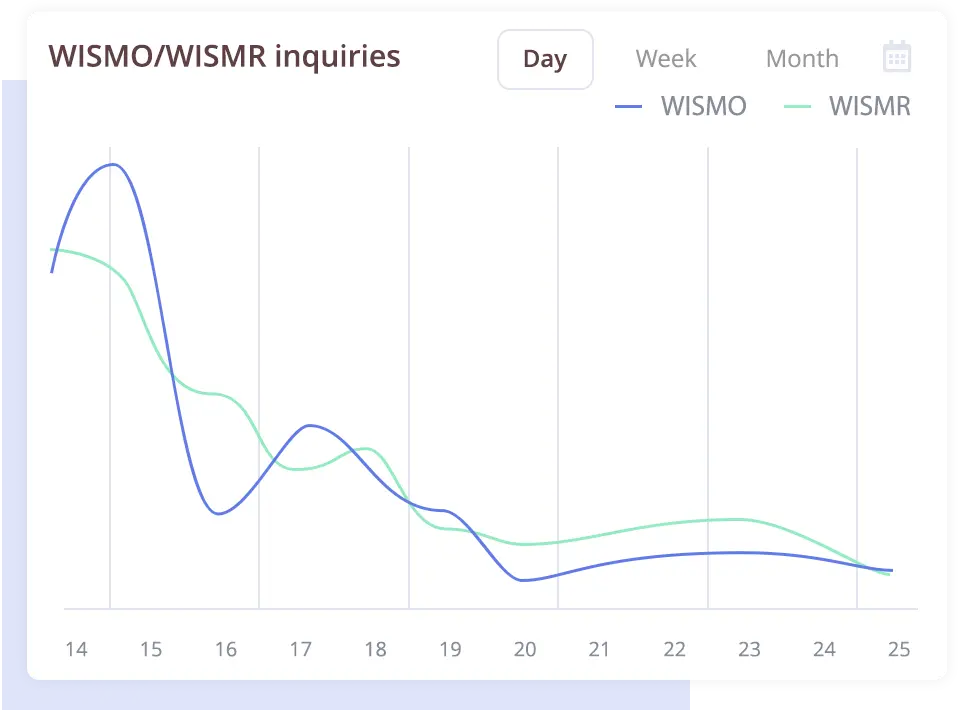
When customers discover anomalies first, they head to support channels, social media, and reviews. That creates a visible, negative feedback loop: more WISMO calls, higher operational costs, and harder-to-recover trust. Detecting issues early gives you time to re-route, reship, or at least communicate honestly, which customers appreciate even when delays are unavoidable.
Building Unified, Real-Time Shipment Visibility
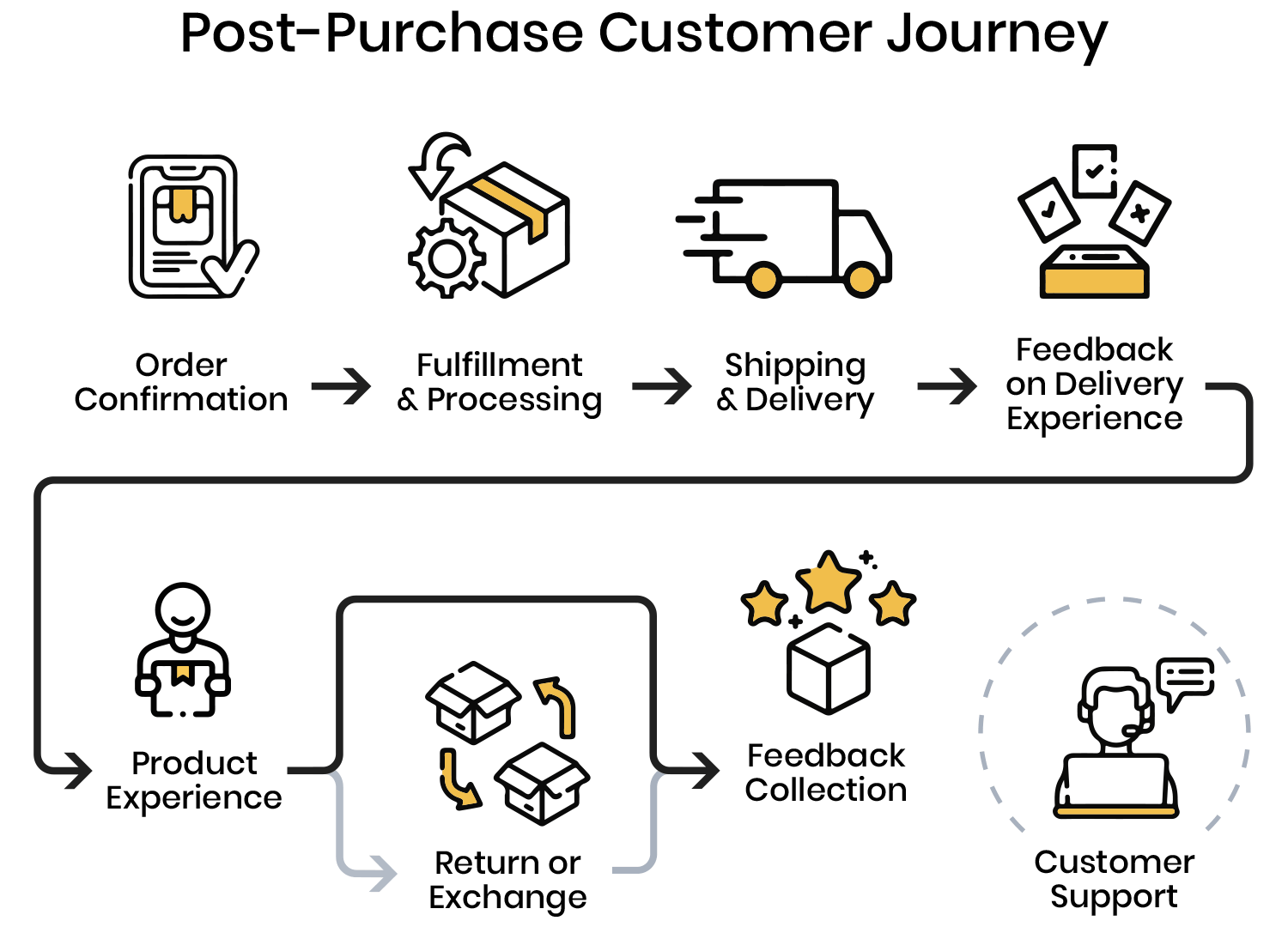
Detecting shipping anomalies begins with seeing all shipments clearly in one place. Many brands still log into multiple carrier portals or rely on basic order statuses from their commerce platform, which obscures emerging issues. A unified tracking system aggregates data across carriers, normalizes language, and keeps your team in sync with the customer’s real delivery journey.
Real-Time Shipment Tracking Across Carriers
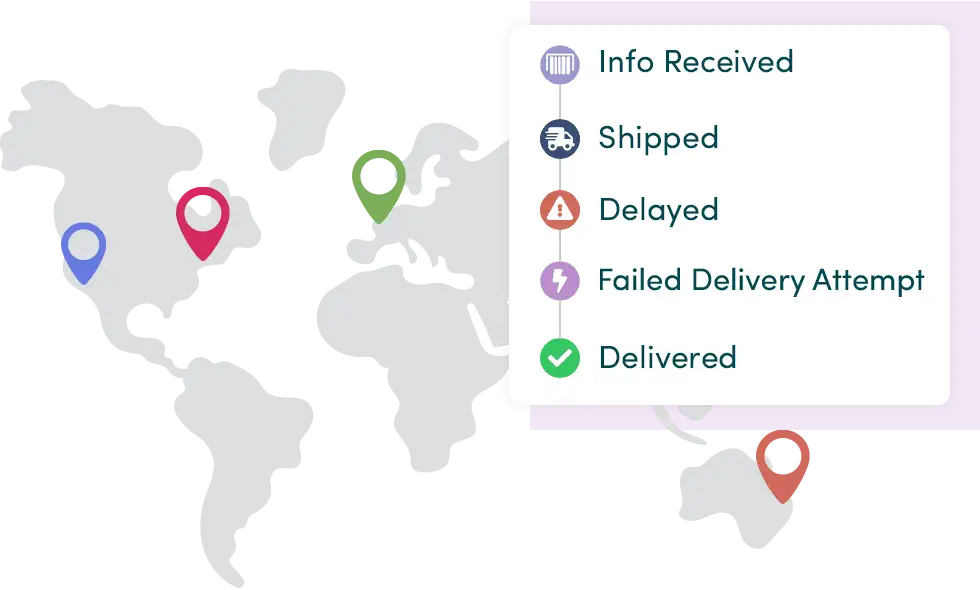
Solutions such as Real-Time Shipment Tracking from WISMOlabs provide consolidated visibility across 750+ global carriers. Instead of cryptic carrier codes, status events are translated into customer-friendly language, with maps and dynamic ETAs that reflect real-world transit progress.
From an anomaly detection standpoint, this unified view lets you quickly spot outliers: orders stuck at a facility, routes that deviate from norms, or shipments with no scans for longer than expected. Your operations or customer care team can then intervene or trigger notifications before customers escalate.
Key Features That Support Anomaly Detection
- Centralized dashboard to monitor all in-flight shipments across carriers and regions.
- Standardized events that convert carrier-specific statuses into a consistent language for operations teams.
- Dynamic ETAs that adjust as conditions change, making deviations clearer.
Using Predictive Analytics to Flag At-Risk Shipments Early
Real-time tracking tells you what is happening now; predictive analytics helps you foresee what will happen next. With growing parcel volumes and complex carrier networks, human teams cannot manually identify every pattern that signals an upcoming delay or exception. This is where AI-based delivery management becomes central to early anomaly detection.
Predict Delivery Delays Before They Impact Customers
The WISMOlabs Predict Delivery Delays product analyzes historical delivery data, carrier performance, traffic, weather, and route characteristics to evaluate which shipments are at risk—often days before the promised date is missed. Instead of reacting only when a package is already late, you can treat risk scores as triggers for intervention.
For example, if certain routes consistently slow down after regional storms, the system can adjust ETAs and flag orders on those paths as “high risk”. Your team can then message customers, adjust expectations, or split shipments, preventing surprise and disappointment.
Turning Delivery Data Into Predictive Intelligence
The concept is explored in depth in WISMOlabs’ work on turning delivery data into predictive intelligence. By feeding AI models with detailed events from 750+ carriers, the system learns the early warning signs of anomalies: dwell times, repeated scans, or missing checkpoints. Rather than combing through raw data, operations teams use these insights as an early-warning dashboard.

Designing Practical Anomaly Rules and Thresholds
Even with advanced analytics, you still need clear, operational rules that define what counts as an anomaly. These rules turn raw signals into concrete actions, such as creating a case in your helpdesk or firing an automated notification. A thoughtful ruleset ensures that your team does not drown in noise while still catching meaningful issues early.
Examples of Effective Anomaly Rules
- No-scan threshold: Flag any shipment with no carrier update for a defined window (for example, 48 hours in domestic networks).
- ETA deviation: Identify orders where the dynamic ETA slips more than a set number of days beyond the promised date.
- Repeat exception events: Trigger review when multiple “delivery attempt failed” or “address not found” statuses appear.
- High-risk routes: Apply stricter thresholds to remote regions or carriers with known performance variance.
Balancing Sensitivity and Noise
Set thresholds too low and your operations team will waste time chasing non-issues; set them too high and real anomalies slip through. Start with conservative levels based on your average delivery times and refine them as you learn. Over time, combining rule-based detection with AI risk scores produces a more accurate anomaly pipeline that aligns with your brand’s service level commitments.

Automating Intelligent Shipment Notifications Before Customers Ask
Detecting anomalies is only half the job; the other half is communicating about them in a timely, reassuring, and brand-consistent way. Manual outreach does not scale when thousands of parcels are in motion, so automation is essential. The key is to trigger the right message when a shipment crosses an anomaly threshold.
Multi-Channel, Automated Alerts
WISMOlabs’ Automated Shipment Notification Engine enables proactive, multi-channel messaging via email, SMS, and webhooks. You can configure triggers—such as “predicted delay,” “delivery exception,” or “out for delivery”—and personalize content using Liquid logic, so each customer receives context-specific information.
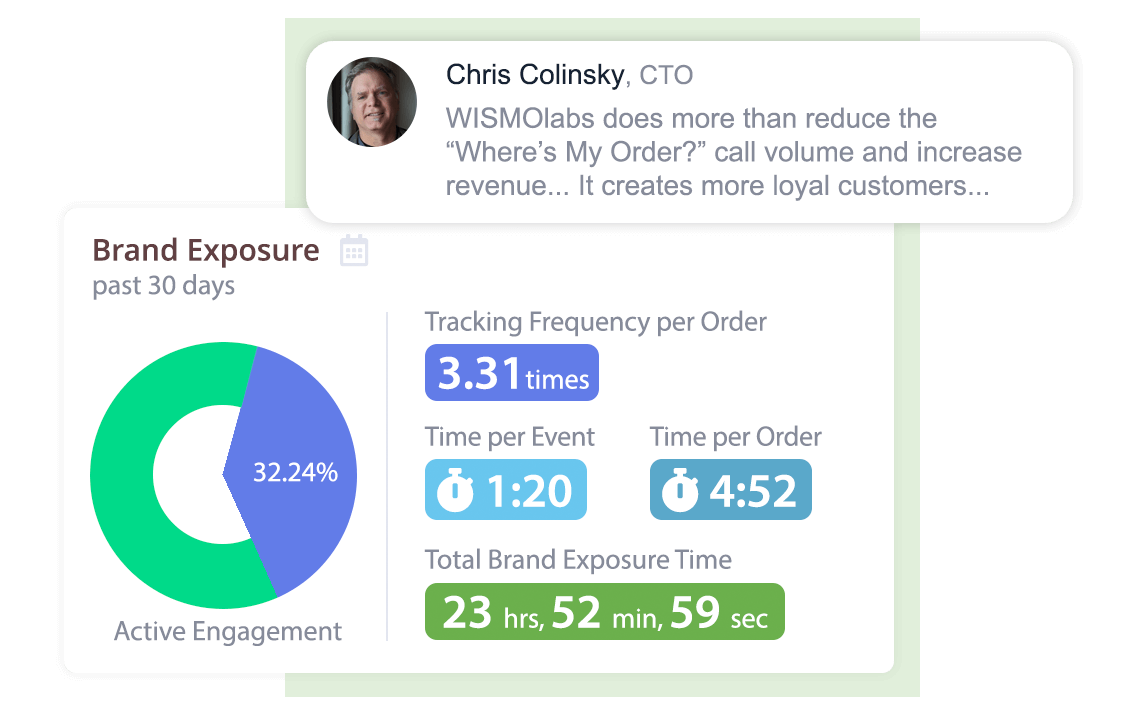
Since 38% of shoppers say frequent tracking updates reduce anxiety and a large share prefer urgent alerts via mobile channels, these notifications directly support customer satisfaction. They also pre-empt WISMO contacts by answering questions before customers reach out.
Best Practices for Anomaly-Focused Messaging
- Be early and honest: Acknowledge the issue, share the updated ETA, and explain next steps.
- Offer options: Where possible, provide alternatives such as address changes, pick-up points, or partial refunds.
- Maintain brand voice: Use on-brand tone and visuals even when delivering bad news to preserve trust.
Creating a Branded Tracking Experience That Supports Anomaly Communication
When anomalies occur, many shoppers turn to tracking pages first. If those pages are generic carrier sites, you lose both control over the message and an opportunity to reassure and guide the customer. A branded tracking portal lets you host and shape the entire post-purchase journey on your own digital property.
Branded Tracking Portals as Anomaly Hubs
With WISMOlabs’ Branded Tracking Portal, tracking becomes a fully branded touchpoint where you can highlight real-time status, display predicted ETAs, and contextualize anomalies. Instead of a terse carrier line like “Exception,” you can show a plain-language explanation, next steps, and support options.
These portals also let you combine operational updates with value-added content such as FAQs, recommendations, or educational material, turning a potentially negative moment into an opportunity to strengthen the relationship. Crucially, they keep customers inside your ecosystem rather than bouncing to third-party sites.
Design Elements That Aid Anomaly Detection and Clarity
- Clear status indicators using color and labels for “On track,” “At risk,” and “Delayed.”
- Timeline views that show completed and upcoming milestones, making missing events obvious.
- Embedded support links for chat or help center when customers need direct assistance.
Empowering Customers With Self-Service Order & Shipment Tracking
Even with proactive alerts, customers often want to check their order status on demand. If they must contact support for basic information, your team becomes a bottleneck and small anomalies become larger frustrations. Self-service tracking solves this by providing 24/7 access to accurate, up-to-date shipment details.
Self-Service as a Buffer for Anomalies
WISMOlabs’ Self-Service Order & Shipment Tracking solution offers a brandable, mobile-friendly interface where customers can look up orders, see real-time statuses, and understand ETAs without logging a ticket. When integrated with predictive analytics, the portal can also surface at-risk shipments with clear explanations.
This reduces WISMO tickets by aligning what your team sees with what customers see. When an anomaly occurs, customers can observe the same data and remediation steps you do—making conversations more focused and efficient if they choose to contact support.
Core Capabilities That Support Early Detection
- Real-time order status pulled directly from the same unified tracking and AI systems your operations use.
- Responsive design so shoppers can check statuses from any device, anywhere.
- Localization support to ensure messages about anomalies are clear in different languages and markets.