Over 83 percent of American ecommerce brands still struggle with repetitive WISMO inquiries, even as post-purchase engagement becomes a make-or-break factor for customer loyalty. Shoppers in the United States expect thoughtful updates and seamless tracking, but many retailers fail to turn these pivotal moments into memorable brand experiences. Discover how next-level post-purchase strategies can help American ecommerce teams create personalized communication, reduce costly support tickets, and keep customers coming back.
Table of Contents
- 1. Enhance Brand Visibility After Checkout
- 2. Reduce WISMO Inquiries With Proactive Updates
- 3. Increase Customer Loyalty Through Personalization
- 4. Drive Repeat Purchases With Upsell Opportunities
- 5. Control Customer Communication And Experience
- 6. Decrease Negative Reviews With Smart Messaging
- 7. Gain Actionable Insights From Tracking Data
Quick Summary
| Takeaway | Explanation |
|---|---|
| 1. Enhance Brand Visibility | Utilize post-purchase tracking to reinforce brand identity and engage customers meaningfully. |
| 2. Reduce WISMO Inquiries | Proactive tracking updates can lower repetitive customer inquiries significantly. |
| 3. Increase Customer Loyalty | Personalizing tracking experiences can deepen emotional connections with customers. |
| 4. Drive Repeat Purchases | Use tracking notifications to recommend complementary products at the right moment. |
| 5. Control Customer Experience | Strategically manage communication to build trust and enhance customer satisfaction. |
1. Enhance Brand Visibility After Checkout
Your post-purchase communication is a golden opportunity to extend your brand’s storytelling and create lasting customer connections. Most ecommerce brands treat shipping updates as transactional necessities, but smart retailers understand these moments as critical touchpoints for reinforcing brand identity and building customer loyalty.
The checkout process doesn’t mark the end of the customer journey it marks the beginning of a strategic engagement window. By integrating branded tracking experiences, you transform routine shipping notifications into powerful marketing channels that keep your brand top of mind. When customers track their packages, they’re actively seeking information which creates a perfect moment to deliver memorable brand interactions.
Effective branded tracking goes beyond simply showing a package location. It means creating a consistent visual and messaging experience that reflects your brand’s personality. Whether your brand voice is playful, professional, or minimalist, every tracking page and update should feel like a natural extension of your digital storefront. Post-purchase marketing strategies can significantly impact customer perception and turn a standard shipping update into an engaging brand touchpoint.
Customize your tracking pages with your brand colors, logo, and design aesthetic. Add personalized messaging that aligns with your brand tone. Include supplementary content like product recommendations, care instructions, or behind-the-scenes brand stories that make tracking an experience customers look forward to.
Key Elements of Branded Tracking:
- Consistent visual design matching your website
- Personalized messaging reflecting brand personality
- Engaging supplementary content
- Smooth mobile and desktop tracking experiences
Pro Tip: Treat every tracking interaction as a mini brand advertisement by infusing personality, providing value, and creating moments of unexpected delight for your customers.
2. Reduce WISMO Inquiries with Proactive Updates
Customer support teams are drowning in repetitive “Where is my order?” (WISMO) inquiries that drain resources and frustrate both customers and staff. The solution lies not in reactively answering these questions but in proactively preventing them through intelligent tracking communication.
Proactive updates transform the shipping experience by giving customers transparent, real-time information before they feel compelled to reach out. Effective strategies to reduce customer service inquiries demonstrate that anticipating customer needs can dramatically decrease support ticket volumes.
According to recent research, branded tracking pages can reduce WISMO inquiries by up to 83%. This significant reduction happens because customers receive timely, clear information directly addressing their primary concern: knowing exactly where their package is and when it will arrive.
Key Components of Proactive Order Tracking:
- Real-time shipment status updates
- Predictive delivery timeframes
- Automated notifications at critical transit points
- Mobile-friendly tracking interfaces
- Personalized communication channels
Implementing proactive updates requires a strategic approach. Integrate automated messaging systems that send targeted notifications during key shipping milestones. These updates should be concise, informative, and aligned with your brand voice. Use multiple communication channels like email, SMS, and in-app notifications to ensure customers can access their order information through their preferred platform.
Pro Tip: Design your tracking communications to answer potential customer questions before they arise, focusing on clarity, transparency, and reducing customer anxiety about their purchase.
3. Increase Customer Loyalty Through Personalization
Customer loyalty is no longer about transactions it is about creating meaningful connections that make customers feel truly understood and valued. In the digital shopping landscape, personalization has become the cornerstone of building lasting relationships with your audience.
Innovative strategies for personalized customer engagement reveal that tailored experiences can transform casual buyers into brand advocates. The post purchase tracking experience represents a critical yet often overlooked opportunity to demonstrate your commitment to individual customer needs.
Personalization goes beyond inserting a customer’s first name into an email. It means crafting tracking experiences that reflect individual preferences, purchase history, and potential future interests. Imagine a tracking page that not only shows package location but also recommends complementary products based on the customer’s recent purchase or provides care instructions specific to their bought item.
Key Personalization Strategies:
- Dynamic product recommendations
- Custom content based on purchase history
- Tailored communication styles
- Segment specific messaging
- Adaptive tracking interfaces
The power of personalization lies in making customers feel seen and understood. By leveraging data intelligently, you can create tracking experiences that feel less like automated updates and more like a conversation with a trusted brand partner. This approach transforms routine shipping notifications into opportunities for deeper engagement and emotional connection.
Pro Tip: Utilize customer data strategically to create tracking experiences that feel intuitive and individually crafted, turning each shipment update into a personalized brand touchpoint.
4. Drive Repeat Purchases with Upsell Opportunities
Every shipping notification represents a hidden revenue opportunity most ecommerce brands completely overlook. The post purchase tracking page is not just a functional update platform it is a strategic conversion channel waiting to be optimized.
Upsell techniques in ecommerce reveal that intelligent product recommendations can transform routine shipping updates into powerful marketing moments. When customers are already excited about an incoming purchase, they are most receptive to complementary product suggestions.
The key is contextual relevance. Imagine a customer who just purchased running shoes receiving targeted recommendations for premium running socks, performance supplements, or fitness tracking accessories. These suggestions should feel like helpful guidance not intrusive marketing.
Strategic Upsell Placement Elements:
- Complementary product recommendations
- Contextually relevant accessory suggestions
- Limited time purchase incentives
- Personalized discount offers
- Easy one click purchase options
Successful upselling requires understanding customer intent and purchase context. Analyze previous buying patterns, current order details, and customer segment characteristics to craft recommendations that genuinely add value. The goal is creating a seamless experience where additional suggestions feel like a natural extension of the customer journey.
Pro Tip: Design upsell recommendations that solve an immediate problem or enhance the original product experience rather than feeling like random marketing pushes.
5. Control Customer Communication and Experience
In the digital shopping landscape, customer communication is no longer about sending notifications it is about crafting strategic interactions that build trust and engagement. Brands that take proactive control of their post purchase communication create memorable experiences that differentiate them from competitors.
AI driven communication strategies are transforming how businesses interact with customers throughout the shipping journey. Rather than defaulting to generic carrier updates, smart brands are designing communication frameworks that feel personalized intelligent and genuinely helpful.
Controlling the customer communication experience means understanding the nuanced moments when information becomes valuable. This goes beyond simple tracking updates it involves creating a narrative around the purchase that keeps customers informed excited and connected to your brand.
Key Communication Control Strategies:
- Contextual messaging timing
- Tone and voice alignment
- Multichannel communication options
- Predictive update frequency
- Emotionally intelligent messaging
Effective communication control requires a holistic approach. Analyze customer data to understand preferences segment communication styles and develop adaptive messaging frameworks that feel responsive and intuitive. The goal is creating a communication ecosystem that anticipates customer needs before they arise.
Pro Tip: Design communication workflows that prioritize customer context over standard notification protocols treat each interaction as an opportunity to reinforce your brand relationship.
6. Decrease Negative Reviews with Smart Messaging
Negative reviews can devastate an online business reputation often stemming from poor communication during the shipping process. Smart messaging transforms customer anxiety into confidence by proactively addressing potential concerns before they escalate into frustration.
Optimized delivery notifications are more than simple tracking updates they are strategic communication tools designed to manage customer expectations and emotional experiences. When customers feel informed and understood they are significantly less likely to leave negative feedback.
The psychology of customer satisfaction revolves around transparency and anticipation. By crafting intelligent messaging that provides context context updates and potential resolution pathways before issues arise brands can dramatically reduce the likelihood of negative reviews.
Key Smart Messaging Strategies:
- Proactive delay notifications
- Empathetic communication tone
- Clear expectation setting
- Personalized problem resolution hints
- Transparent shipping challenge explanations
Successful smart messaging requires a nuanced approach that balances information density with emotional intelligence. Analyze shipping data to predict potential friction points and develop communication scripts that demonstrate genuine care and commitment to customer satisfaction.
Pro Tip: Design messaging workflows that transform potential frustration points into opportunities for building customer trust by providing unexpected value and transparent communication.
7. Gain Actionable Insights from Tracking Data
Tracking data is no longer a passive record of shipment movement it is a strategic goldmine of customer behavior insights waiting to be decoded. Smart ecommerce brands understand that every package journey tells a complex story about customer preferences logistics performance and potential business optimization opportunities.
Data analytics for shipment tracking transforms raw shipping information into a powerful strategic tool for business intelligence. By analyzing granular tracking data businesses can uncover hidden patterns that drive operational efficiency and customer satisfaction.
Beyond basic location updates tracking data provides a comprehensive view of the entire customer purchase experience. This includes understanding carrier performance identifying potential shipping bottlenecks predicting delivery challenges and mapping customer engagement across different touchpoints.
Key Tracking Data Insight Categories:
- Carrier performance metrics
- Geographic delivery efficiency
- Customer communication preferences
- Shipping time predictability
- Route optimization opportunities
- Customer segment delivery behaviors
Successful data utilization requires a holistic approach. Implement advanced analytics tools that can transform complex tracking information into clear actionable visualizations. Look for patterns that reveal not just where packages are moving but why they move the way they do.
Pro Tip: Treat tracking data as a living strategic asset by establishing continuous monitoring and analysis processes that translate raw information into meaningful business improvements.
Below is a comprehensive table summarizing the key strategies and insights from the article regarding optimizing post-purchase ecommerce communications for enhanced customer satisfaction, brand reinforcement, and operational improvement.
| Area of Focus | Key Strategies | Benefits |
|---|---|---|
| Enhance Brand Visibility | Utilize branded tracking pages with consistent visuals and personalized messaging. | Reinforces brand identity during post-purchase interactions. |
| Reduce “Where Is My Order?” Inquiries | Provide proactive real-time shipping updates and predictive delivery notifications. | Reduces customer support needs and improves transparency. |
| Foster Customer Loyalty | Personalize tracking experiences with data-driven content and tailored recommendations. | Strengthens customer-brand connection and increases repeat business. |
| Drive Additional Purchases | Suggest complementary products and provide exclusive upsell offers on tracking pages. | Increases revenue from existing customers. |
| Control Communication Experience | Implement a cohesive communication approach emphasizing tone and timing. | Builds customer trust and differentiates from competitors. |
| Minimize Negative Reviews | Craft empathetic and proactive messages addressing potential issues. | Enhances user satisfaction and mitigates negative feedback. |
| Leverage Tracking Data Insights | Utilize advanced analytics to evaluate logistics and customer interactions. | Improves operational efficiency and aligns services with customer needs. |
Transform Your Post-Purchase Experience with WISMOlabs
The article “7 Key Benefits of Branded Tracking for Ecommerce Growth” highlights how smart branded tracking can enhance customer loyalty, reduce WISMO inquiries, and create upsell opportunities during the crucial Peak Engagement Window™. Many ecommerce brands face challenges like overwhelming customer support, negative reviews, and missed growth chances due to generic or poorly timed shipment updates. WISMOlabs addresses these pain points by using proprietary AI technology to deliver personalized, context-driven shipment communications that feel like a natural extension of your brand.
WISMOlabs goes beyond standard tracking by turning transactional updates into strategic moments of engagement. The platform’s AI-powered approach ensures you deliver value when customers need it most, reducing support tickets by up to 90% and decreasing negative reviews by half. By linking real-time shipment data with order details and customer behavior, WISMOlabs creates seamless, branded experiences that build trust, increase repeat purchases, and protect your reputation.
Ready to elevate your post-purchase communication and unlock new revenue streams? Discover how WISMOlabs can help you reduce “Where Is My Order” inquiries, personalize customer engagement, and drive ecommerce growth today.
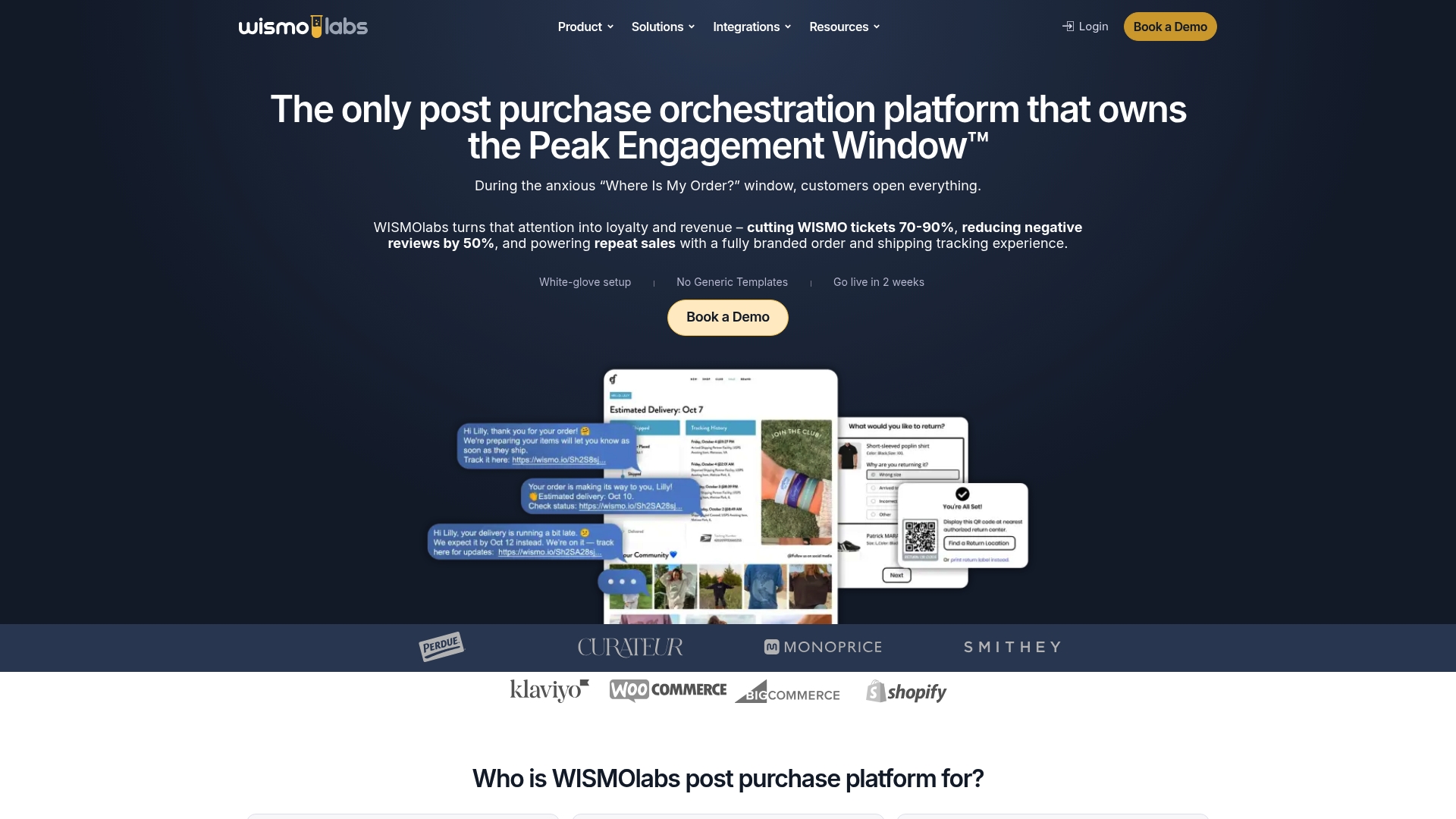
Explore how AI is revolutionizing post-purchase customer communications and learn to optimize upsell and cross-sell in ecommerce with real-time shipment insights. Take the next step now by visiting WISMOlabs to transform your post-purchase journey into a powerful growth engine.
Frequently Asked Questions
What is branded tracking in ecommerce?
Branded tracking refers to the customized tracking experience that reflects a company’s unique brand identity during the shipping process. To implement it, design tracking pages with your brand colors, logos, and messaging that convey your brand’s personality.
How can branded tracking reduce customer inquiries about order status?
Branded tracking can significantly reduce ‘Where is my order?’ (WISMO) inquiries by providing proactive, real-time updates about the package status. By sending clear and timely communications at critical shipping milestones, you can decrease support ticket volumes by up to 83%.
What personalization strategies can I use in my tracking experience?
You can enhance the tracking experience by including personalized content based on customer purchase history, such as dynamic product recommendations or specific care instructions for the purchased items. Aim to craft tracking updates that feel tailored to each individual customer, creating a more engaging experience.
How does branded tracking drive repeat purchases?
Branded tracking can drive repeat purchases by incorporating upsell opportunities within tracking notifications. For instance, suggest complementary products related to the customer’s previous purchase, thereby transforming routine updates into moments that encourage additional sales.
What insights can I gain from tracking data?
You can gain valuable insights from tracking data, such as understanding customer communication preferences and identifying areas for operational improvement. Analyze metrics related to carrier performance and delivery efficiency to make informed decisions that enhance customer satisfaction and business operations.
How can I maintain effective communication with customers during the shipping process?
To maintain effective communication, develop a strategy that includes contextual messaging, empathetic communication tones, and multichannel options. This proactive approach will help keep customers informed and engaged throughout their shipping experience.